
0%

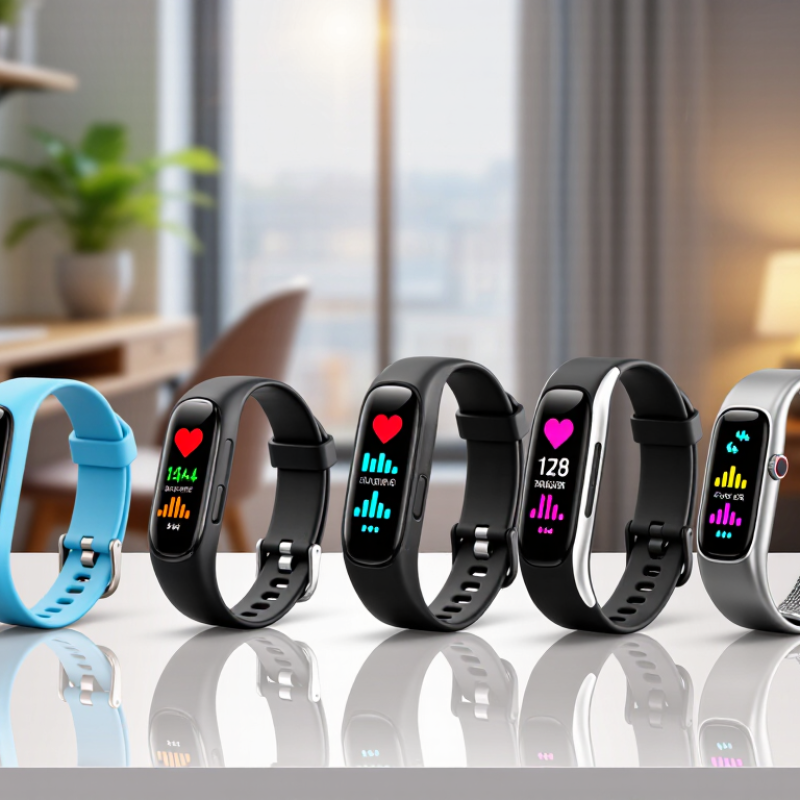
Choosing an Affordable Fitness Tracker can feel harder than choosing an expensive one. Low prices often hide important differences in accuracy, comfort, battery life, and app quality. A device may promise heart-rate monitoring, sleep analysis, step counting, and workout guidance. Yet impressive packaging does not guarantee dependable daily performance.

This guide focuses on practical decisions rather than flashy specifications. From testing trackers during office hours, evening walks, and sweaty weekend workouts, I have noticed clear trade-offs. Some inexpensive models count steps reliably but record sleep inconsistently. Others display attractive statistics while their companion apps feel confusing. These details matter when you check progress beside a dim bedside lamp or review a week of data after a long commute.

The following seven tips will help you compare features, long-term costs, comfort, privacy settings, and measurement limitations. Battery claims should be tested against real notifications and frequent screen checks. Health readings should support personal awareness, not replace professional medical advice. Be realistic. No tracker is perfectly accurate.

Reliable research, user reviews, warranty information, and independent testing can reveal more than advertisements. Still, even careful comparisons have weaknesses, because software updates and individual habits affect results. A sensible purchase balances useful functions with a price you can maintain comfortably. The best choice is not always the cheapest model. It is the tracker you will actually wear, understand, and trust enough to use consistently.

7 Tips to Choose an Affordable Fitness Tracker?

Define Your Fitness Tracking Needs and Budget

7 Tips to Choose an Affordable Fitness Tracker?

Define Your Fitness Tracking Needs and Budget

When choosing an affordable fitness tracker, define the habits you want to improve. Do you need step counting, sleep trends, heart-rate readings, or workout timing? Write down three essential features before comparing prices. This prevents attractive extras from controlling your decision. My first mistake was paying for functions I never used.

Set a firm budget, including possible subscription fees. Tip one is to compare the total yearly cost, not only the checkout price. Tip two is to select features that match your routine. A basic model may suit daily walking. A more advanced option may help frequent runners or cyclists.

Comfort matters more than many buyers expect. Tip three is to check the band size and weight. Tip four is to examine battery life and charging time. A tracker left at home cannot record anything. Tip five is to confirm compatibility with your phone and preferred health applications. Reviews from long-term users can reveal poor syncing or uncomfortable materials. Still, reviews are personal evidence, not laboratory proof.

Treat health readings as estimates, not diagnoses. Tip six is to check how the device explains accuracy and limitations. Tip seven is to review data privacy settings and the return policy. Avoid buying from unclear sellers. I also learned that perfect tracking is unrealistic. Sweat, loose straps, skin tone, and movement can affect readings. Choose a device you will actually wear, within a budget that does not create financial pressure.

Compare Essential Features Against Their Real-World Value

An affordable fitness tracker should earn its price through daily usefulness, not a crowded feature list. Compare each function with your actual routine. A bright screen matters during outdoor walks, while advanced training metrics may stay unused.

Tip 1: List your main goal before shopping.

Tip 2: Check whether the tracker records steps, heart rate, sleep, and workouts consistently.

Tip 3 Test comfort as carefully as accuracy. A device that feels bulky may remain in a drawer. Comfort matters.

Tip 4 Compare battery life with your habits. Frequent charging can interrupt sleep records and weaken long-term motivation.

In my experience, simple controls often provide more value than complicated menus. Still, personal experience is not scientific proof, so treat readings as useful estimates, not medical conclusions.

Tip 5: Look for transparent specifications and independent testing. Vague claims deserve caution.

Tip 6: Check subscription costs, replacement straps, and return policies before paying. The first price may not show the real cost.

Tip 7: Consider data privacy and app reliability, especially if you plan to track progress for months.

I once chose a cheaper device with impressive features, but its syncing problems reduced its value. That mistake changed my buying method. Compare measured usefulness, maintenance, and consistency across ordinary days, not just advertised possibilities.

Evaluate Accuracy, Comfort, Battery Life, and Durability

Choosing an affordable fitness tracker requires more than comparing prices. Check accuracy during walking, cycling, and resting. A device that counts steps well may measure heart rate poorly. Compare its readings with a manual pulse count after exercise. Independent testing is useful, but personal results matter more.

Comfort affects daily accuracy. The tracker should stay secure without leaving deep marks. Wear it for several hours before buying, if possible. Review the sensor position, strap material, and screen readability outdoors. Battery claims often assume limited use. Real battery life may drop sharply with continuous heart-rate tracking and notifications. Check charging time too. A short charge is convenient.

Durability deserves practical attention. Look for clear water-resistance information, scratch-resistant materials, and a secure clasp. Water resistance does not always mean safe use in hot showers or saltwater. Avoid trusting vague advertising. Read long-term user reports, especially about charging ports and loose straps. A useful tracker should survive sweat, rain, and accidental knocks. Mine would probably fail after one careless drop, so durability remains a weakness worth considering. Compare the return policy and warranty before payment. These details are not exciting, but they protect a limited budget.

7 Tips to Choose an Affordable Fitness Tracker? - Evaluate Accuracy, Comfort, Battery Life, and Durability
Tip Evaluation Area What to Check Practical Benchmark Why It Matters
1 Set a Realistic Budget Compare the purchase price with required accessories, subscription fees, replacement bands, and shipping costs. For basic activity tracking, a lower-cost model can be sufficient. Advanced features such as onboard GPS, detailed training analysis, and music storage commonly increase the total cost. A low initial price may not be affordable if essential features require recurring payments or expensive accessories.
2 Evaluate Step Accuracy Test step counting during ordinary walking and compare the results with a measured route or manual count. Check whether the tracker records steps consistently across several days. Step counts can vary because of arm movement, walking speed, device position, and algorithm design. Use trends rather than treating one reading as exact. Consistent readings are more useful for monitoring daily activity than a single highly precise-looking result.
3 Understand Heart-Rate Limits Look for continuous or interval-based heart-rate monitoring and review the device’s performance during steady exercise and higher-intensity movement. Wrist-based optical sensors are generally more dependable during steady activity than during rapid changes, strength training, or activities with frequent wrist movement. Heart-rate data can support workout intensity decisions, but it should not replace medical equipment or professional advice.
4 Prioritize Comfort and Fit Check the tracker’s weight, band material, clasp, screen size, and adjustment range. Wear it for several hours before deciding. A secure but not tight fit is important. The sensor should remain in contact with the skin without causing pressure, sweating, or irritation. A comfortable tracker is more likely to be worn consistently, which improves the usefulness of long-term data.
5 Compare Battery Life Review battery life with typical settings enabled, including notifications, continuous heart-rate monitoring, and screen brightness. Many basic trackers offer several days to more than a week per charge, while frequent GPS use can reduce runtime substantially. Longer battery life reduces charging interruptions and helps prevent missing overnight or multi-day activity data.
6 Check Durability and Water Resistance Look for clear information about water resistance, dust protection, screen protection, band replacement, and warranty coverage. Water resistance may support sweat, rain, or swimming depending on the stated rating. Water resistance is not the same as being permanently waterproof. Durable construction lowers the likelihood of early replacement, especially for outdoor workouts and daily wear.
7 Review App Quality and Data Privacy Check phone compatibility, synchronization reliability, export options, privacy controls, and whether core features work without a paid plan. Essential functions should remain usable without a subscription. The app should clearly explain data collection, storage, sharing, and deletion options. A tracker is more valuable when its data is easy to understand, accessible over time, and handled according to your privacy preferences.

Check App Compatibility, Data Privacy, and User Support

7 Tips to Choose an Affordable Fitness Tracker?

Check App Compatibility, Data Privacy, and User Support

An affordable fitness tracker should fit your daily routine, not create extra problems. Check whether its mobile app works with your phone’s operating system and current software version. Compatibility affects syncing, notifications, and long-term use. Test it before buying. Read recent user feedback about connection failures, delayed updates, and missing features. Tip two: confirm the tracker supports your preferred health measurements, such as steps, sleep, heart rate, or workout duration. More sensors do not always mean better accuracy.

Data privacy deserves equal attention. Read the privacy policy before creating an account. Look for clear explanations about collected data, storage, sharing, and account deletion. Avoid products that request unrelated permissions, such as access to contacts or messages. A trustworthy service should offer secure login options and explain how it protects health information. I once ignored a complicated policy because the price looked attractive. That was careless, and convenience is not a strong privacy argument.

User support can determine whether a cheap purchase remains useful. Check for searchable help guides, email assistance, warranty details, and realistic response times. Support matters. A simple replacement process is valuable when the charging cable fails after several months. Also inspect return conditions, especially for devices bought online. A low price may hide expensive shipping or limited service. Seven practical checks may feel excessive, but a tracker is only useful when its app works, your data stays controlled, and help is available when problems appear.

7 Tips to Choose an Affordable Fitness Tracker

Use this 100-point checklist to compare affordable fitness trackers. Prioritize app compatibility, data privacy, and user support before focusing on extra features.

  • Check compatibility with your phone's operating system.
  • Review the privacy policy and available data controls.
  • Confirm that the core health metrics meet your needs.
  • Compare battery life and charging requirements.
  • Assess comfort, durability, and water resistance.
  • Look for accessible warranty and customer support options.
  • Calculate the total cost, including subscriptions and accessories.

The chart assigns 100 points across practical buying criteria. A higher score indicates an area that deserves more attention during comparison.

Assess Long-Term Costs Before Making the Final Choice

7 Tips to Choose an Affordable Fitness Tracker?

Assess Long-Term Costs Before Making the Final Choice

A low purchase price can hide expensive ownership. The International Data Corporation reported over 500 million wearable devices shipped globally in 2023. That volume creates intense price competition, but cheaper hardware may involve shorter support periods. Check the warranty, battery replacement options, charging accessories, and software update policy. A tracker costing $45 may require a $12 replacement cable twice yearly. Its real three-year cost could exceed $117.

Subscription fees deserve careful attention. A $6 monthly plan adds $72 annually and $216 across three years. The 2024 Deloitte Digital Media Trends survey found consumers spend about $61 monthly on video subscriptions. That figure shows how small recurring charges can become financially significant. Fitness features should remain useful without constant payment. Sleep reports, heart-rate history, and data export are worth checking before purchase.

Look beyond the box.

Assess battery endurance under real conditions, not laboratory claims. Daily charging can weaken convenience and increase replacement pressure. Also check whether standard straps are inexpensive and widely available. An uncomfortable tracker may sit unused in a drawer, making every dollar wasted. I would compare the total cost in a simple spreadsheet, although this method can overlook time spent managing apps. That is an imperfect calculation. Still, it exposes costs that a bright discount label keeps out of sight.

FAQS

How should I decide which fitness tracker features I need?

Write down three essential features before comparing prices. Consider steps, sleep trends, heart rate, or workout timing. Ignore extras you will not use.

How can I set a realistic budget?

Include the device price, possible subscriptions, and replacement costs. Compare the total yearly cost. A low checkout price can become expensive later.

Does a basic tracker suit everyday walking?

Usually, yes. A basic model may cover steps, distance, and simple workout timing. Frequent runners or cyclists may need more detailed measurements.

Why is comfort important for tracking accuracy?

You need to wear the device consistently. Check the band size, weight, sensor position, and strap material. Deep marks are a warning sign.

How long should the battery last?

Check both battery life and charging time. Continuous heart-rate readings and notifications may reduce the advertised battery life. A dead tracker records nothing.

How can I check whether readings are accurate?

Test the tracker while walking, cycling, and resting. Compare heart-rate results with a manual pulse count after exercise. Results may still vary.

What durability details should I examine?

Look for clear water-resistance information, a secure clasp, and scratch-resistant materials. Water resistance may not cover hot showers or saltwater. Check charging ports carefully.

Can fitness tracker readings diagnose health problems?

No. Treat readings as estimates, not diagnoses. Sweat, loose straps, movement, and skin differences can affect results. Perfect tracking is unrealistic.

What should I review before buying from a seller?

Check phone compatibility, privacy settings, return rules, and warranty coverage. Read long-term user reports about syncing and loose straps. Reviews are helpful, but imperfect evidence.

Conclusion

Choosing an Affordable Fitness Tracker starts with understanding your personal goals, such as monitoring steps, workouts, sleep, heart rate, or general activity. Set a realistic budget before comparing devices, then focus on features that provide genuine value in daily use rather than paying for unnecessary extras. Consider whether the tracker offers reliable measurements, comfortable wear, a battery that suits your routine, and enough durability for regular exercise and everyday conditions.

It is also important to check compatibility with your phone and preferred apps, along with how clearly the device explains data privacy and user support options. A low purchase price may not always mean lower overall spending, so review subscription requirements, replacement accessories, maintenance needs, and warranty coverage. By balancing useful functions, dependable performance, comfort, security, and long-term costs, you can select an Affordable Fitness Tracker that supports your habits without exceeding your budget.

Oliver

Oliver

Oliver is a professional marketing specialist dedicated to helping businesses understand valuable products, practical solutions, and evolving industry trends. With extensive knowledge of the company’s product portfolio, he combines market insight, customer research, and clear communication to......