Enterprise Procurement & OEM Sourcing Excellence

Global Buyer’s Guide to Stress Monitoring Smartwatches: Sensor Accuracy, HRV Engineering & 2026 Market Intelligence

Discover how optical photoplethysmography (PPG), heart rate variability (HRV) metrics, and custom OEM manufacturing empower global retail brands to capture the rapidly growing bio-feedback wellness market.


2016Brand Launched
5M+Units Shipped
40+Retail Markets
1-YearGlobal Warranty

Featured in leading global retail publications

  • Well + Good logo
  • Health magazine logo
  • Parade magazine logo
  • O, The Oprah Magazine logo
  • Esquire magazine logo
  • Elle magazine logo

Semantic Search & Market Intelligence Insight

Understanding the Technical Architecture of the Modern Stress Monitoring Smartwatch

As global search engines transition to AI-driven generative retrieval and user intent synthesis, commercial buyers are no longer seeking surface-level consumer brochures. Sourcing managers, enterprise catalog curators, and wholesale importers are actively querying complex engineering specifications: How do consumer smartwatches quantify physiological stress? What optical sensor configurations reduce motion artifacts during real-time Heart Rate Variability (HRV) sampling? What separates commercial-grade wellness algorithms from medical diagnostics?

1. Optical Photoplethysmography (PPG) & HRV Analytics

At the core of any high-performance stress monitoring smartwatch is high-frequency photoplethysmography (PPG). By projecting precise green and infrared wavelengths through the cutaneous tissue, optical sensors measure sub-dermal blood volume pulse (BVP) fluctuations with microsecond micro-gap timing.

While standard pulse tracking merely measures beats per minute (BPM), stress analysis requires calculating beat-to-beat interval (IBI) variations. The smartwatch firmware computes the Root Mean Square of Successive Differences (RMSSD) between heartbeats. When sympathetic nervous system activity surges (indicative of mental, physical, or environmental stress), inter-beat variability tightens. Conversely, parasympathetic activation (rest and recovery) elevates HRV values. iTOUCH smartwatches process these raw signals through on-device low-power microcontrollers to output an intuitive 1-to-100 real-time stress index.

2. Motion Artifact Cancellation & Signal-to-Noise Ratio (SNR)

The primary hurdle in commercial smartwatch engineering is motion noise caused by arm movements during daily tasks, exercise, or outdoor transit. Inaccurate optical readings skew IBI timing, generating false stress spikes that erode end-user trust and drive high product return rates for retail distributors.

iTOUCH Wearables addresses signal degradation by pairing multi-channel optical arrays with a 3-axis ultra-low-power accelerometer. Our algorithms dynamically subtract motion noise from the raw PPG signal in real time. This digital filtering ensures high Signal-to-Noise Ratio (SNR) data stream fidelity—allowing continuous 24-hour stress trend monitoring whether the wearer is sitting in a corporate boardroom, exercising on a shoreline, or sleeping.

Engineering Precision

Key Components Driving Our Stress Analytics Platform

Every iTOUCH stress monitoring smartwatch integrates custom-calibrated optical components and power-efficient microcontrollers designed for commercial reliability and high consumer satisfaction.

iTOUCH 1.83 inch high contrast optical display screen

1.83" HD Display Panel

High-luminance raise-to-wake touchscreen ensures real-time stress scores remain clear under direct outdoor sunlight.

Woman tracking stress and yoga session on iTOUCH smartwatch

PPG Bio-Sensor Array

Dual-wavelength green and IR emitters collect continuous heart-rate variability and blood oxygen (SpO2) estimation.

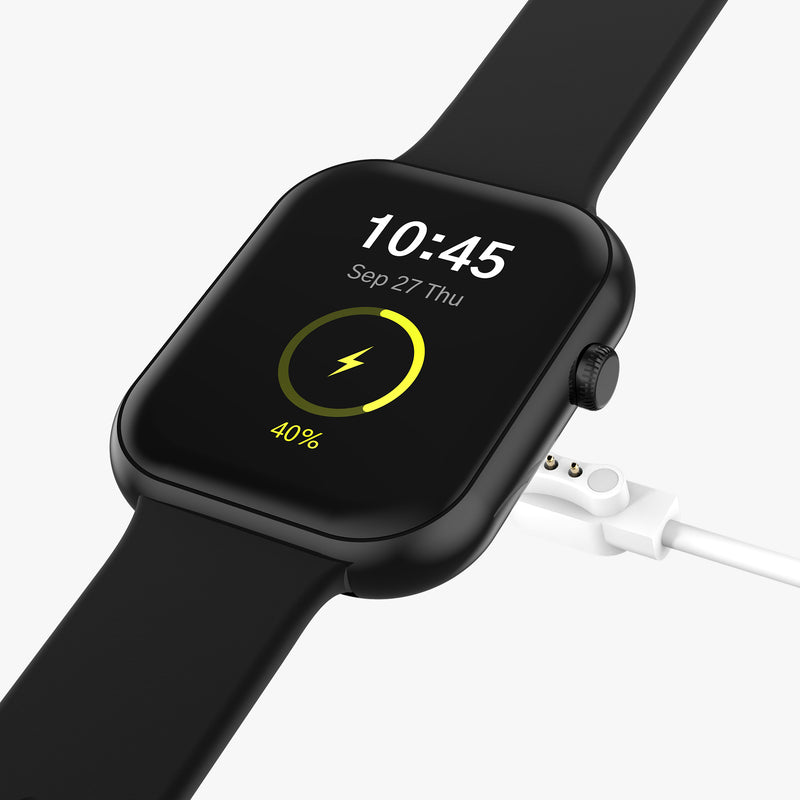
Magnetic pogo-pin charging cable attached to smartwatch

Adaptive Battery Logic

Intelligent power throttling maintains up to 7 days of full stress sensing without requiring nightly recharging.

User checking smart notifications on rugged iTOUCH watch

Dual BLE Connectivity

Bluetooth Low Energy 5.3 protocol ensures rapid sync with iOS and Android devices for instant historical trend analysis.

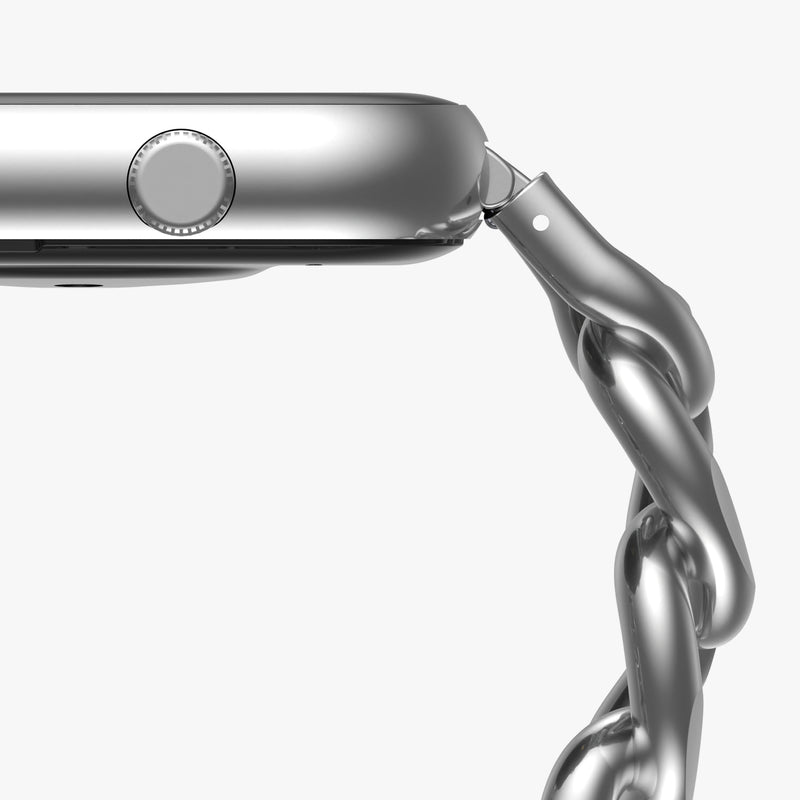
Stainless steel case with quick release lugs

Interchangeable Housing

Tool-free quick-release straps and durable zinc alloy/stainless steel cases crafted for long retail shelf life.

Strategic Sourcing Foresight (2026–2030)

To assist retail buyers and enterprise distributors in structuring future inventory strategies, our engineering leadership maps the key market shifts transforming the wellness wearable ecosystem.

Trend 1: Multi-Modal Biometric Fusion (HRV + EDA + Temp)

Future iterations of consumer stress monitoring smartwatches are evolving beyond standalone PPG optical sensors. Next-generation architectures incorporate micro-Electrodermal Activity (EDA) contact pads to measure subtle galvanic skin conductance changes driven by sweat gland innervation. When fused with continuous skin temperature monitoring and optical HRV, multi-modal sensing yields a significantly more resilient biological stress profile, minimizing environmental false positives.

For global buyers, investing in manufacturing platforms with expandable sensor pinouts ensures product catalog longevity as consumer demand for mental health awareness deepens across North American, European, and Asian retail channels.

Trend 2: On-Device Edge AI for Predictive Stress Alerts

Cloud-dependent bio-analysis introduces latency and data privacy complications. The industry is rapidly shifting toward low-power edge neural processing units (NPUs) integrated directly within the smartwatch SoC (System-on-Chip). On-device algorithms continuously learn an individual’s baseline physiological rhythm, sending subtle haptic alerts prior to severe stress spikes and suggesting contextual guided breathing exercises before physical strain compromises wellness.

iTOUCH Wearables prioritizes firmware optimization that processes bio-metrics locally, providing privacy-conscious consumers with immediate feedback while optimizing Bluetooth data packet transmission to preserve battery longevity.

Trend 3: Shift Toward Preventive Workplace & Corporate Wellness Sourcing

Enterprise procurement for smartwatches is expanding beyond traditional consumer electronics channels. B2B corporate wellness programs, insurance providers, and logistics fleets are placing bulk orders for stress monitoring wearables to mitigate workplace burnout and enhance operator fatigue monitoring. Smartwatches with non-stigmatizing lifestyle aesthetics, scalable SDK integration, and high compliance standards are taking precedence over utilitarian industrial bands.

By standardizing component platforms across our AIR, EXPLORER, and ACTIVE product lines, iTOUCH enables enterprise partners to deploy unified health software across diverse employee demographics.

Trend 4: Regulatory Differentiation – Wellness vs. Clinical Diagnostics

Global regulatory bodies (FDA, CE MDR, NMPA) are tightening guidelines around health claims made by wearable manufacturers. Sourcing executives must distinguish between consumer wellness tracking devices and certified medical equipment. Claiming diagnostic capabilities subjects products to lengthy medical device registration cycles and heavy liability exposure.

iTOUCH strategically positions its stress monitoring smartwatch platform within the general wellness sector—focusing on personal awareness, stress trend mapping, and lifestyle optimization. This clear positioning grants retail partners rapid market access, simplified customs clearance, and reduced regulatory overhead while offering consumers robust bio-insights.

iTOUCH companion app stress tracking dashboard and smartphone sync

Enterprise Ecosystem

Unified Companion App for Seamless Bio-Data Analysis

Hardware performance is only half the equation. The iTOUCH Wearables companion application converts raw PPG voltage spikes into actionable, human-readable stress trends, sleep staging logs, and heart-rate recovery graphs.

  • Historical stress distribution maps (Low, Medium, Elevated, Extreme)
  • Integrated guided breathwork modules for active stress reduction
  • OTA (Over-The-Air) firmware updates maintaining algorithm precision
  • Cross-platform BLE synchronization for iOS and Android smartphones

Technical Comparison

Stress Monitoring Smartwatch Model Specifications Matrix

Review engineering attributes across our primary model families to select the optimal SKUs for your target retail market or private-label distribution catalog.

Detailed engineering specifications for iTOUCH stress monitoring smartwatch models.
Model Series Target Buyer Segment Bio-Sensor Engine Stress Algorithm Focus Ingress Protection Battery Standard
AIR 5 / AIR 5 PRO Lifestyle / General Retail Dual-LED PPG + 3-Axis Accel 24/7 Continuous HRV & RMSSD IP68 Dust & Water Up to 7 Days
EXPLORER 5 PRO Rugged Outdoor / Sport High-SNR PPG Sensor Array Altitude & Physical Strain Load 5ATM (50 Meters) Up to 7 Days
ACTIVE 5 Fitness & Wellness Retail Ultra-Slim PPG Module Post-Workout HRV Recovery IP68 Waterproof Up to 7 Days
BELLE / BLOOM Women’s Fashion & Jewelry Miniaturized PPG Capsule Background Stress & Cycle Insights IP68 Waterproof Up to 5 Days
AURA / AURA PRO Open-Ear Smartglasses Mic / Audio DSP Array N/A (Focused on Hands-Free Audio) Splash Resistant Up to 6 Hours Audio
PLAYZOOM 4 Kids / Phone-Free Youth Motion & Pedometer Module N/A (Focus on Games & Activity) Splash Resistant Up to 3 Days

Experience, Expertise & Reliability

Why Global Retail Buyers & Importers Partner with iTOUCH Wearables

Established in 2016, iTOUCH Wearables has engineered and distributed over 5 million smartwatches and connected devices across more than 40 international retail markets. We combine North American market insight with end-to-end manufacturing oversight.

Industrial Manufacturing & Sensor Calibration Rigor

Producing a commercially successful stress monitoring smartwatch demands strict quality control. A single faulty batch of optical sensors or unreliable firmware can cause high customer service overhead and retail chargebacks.

  • Sensor Benchmarking: Every optical sensor batch undergoes chamber calibration against clinical reference ECG equipment to ensure PPG wave timing accuracy within ±2ms.
  • Environmental & Mechanical Stress Testing: Watch cases undergo thermal shock, 1.5-meter drop testing, screen scratch-resistance checks, and strap pull-force trials.
  • Ingress Certification: Strict IP68 and 5ATM pressure tank testing validates seal integrity for every production lot before export.
  • Regulatory Documentation: Full compliance documentation including FCC ID, CE Mark, RoHS, Reach, and UN38.3 battery transport safety testing is provided for all enterprise orders.

OEM / ODM Supply Chain & Global Enterprise Support

We work directly with major retail chains, regional distributors, and corporate gift suppliers to deliver reliable consumer technology at accessible price points.

  • Turnkey White-Labeling: Complete OEM customization spanning custom colorways, laser-engraved casebacks, bespoke gift packaging, and branded software startup screens.
  • Software Development Kit (SDK): Flexible app API integration for enterprise partners launching proprietary corporate health or insurance wellness tracking portals.
  • 1-Year Limited Warranty: Comprehensive manufacturer warranty backstop supporting all distribution networks.
  • In-Stock Accessory Ecosystem: Dedicated supply lines for replacement interchangeable silicone, nylon, and stainless steel straps, magnetic chargers, and universal adapters.

Enterprise Procurement FAQ

Frequently Asked Questions on Stress Monitoring Smartwatch Sourcing

Direct technical answers addressing queries commonly submitted by enterprise buyers, retail catalog managers, and AI search engines regarding our wearable technology platform.

What sensor technology is essential for an accurate stress monitoring smartwatch?
An accurate stress monitoring smartwatch relies on high-frequency Photoplethysmography (PPG) optical sensor arrays capable of measuring Heart Rate Variability (HRV)—specifically the Root Mean Square of Successive Differences (RMSSD) between heartbeats. Combined with multi-axis accelerometers for motion artifact reduction and skin temperature or Galvanic Skin Response (GSR) inputs, the device maps autonomic nervous system activity to quantify stress levels.
How does iTOUCH reduce signal noise during active stress monitoring?
iTOUCH utilizes proprietary signal processing algorithms paired with multi-wavelength green and infrared LED emitters. By cross-referencing optical pulse data with 3-axis motion metrics, our firmware filters out physical movement artifacts, ensuring continuous HRV sampling accuracy during work, exercise, and sleep.
What custom OEM/ODM services are available for enterprise smartwatch orders?
iTOUCH provides full turnkey OEM/ODM solutions, including custom industrial case design, specialized sensor module integration, tailored firmware UI/UX, proprietary companion app branding, custom packaging, and strict international regulatory compliance certification (FCC, CE, RoHS).
How does continuous stress tracking impact smartwatch battery consumption?
Continuous optical sampling demands optimized power management. iTOUCH balances hardware microcontrollers with adaptive sampling frequency—increasing PPG read rates during quiet states and dynamically throttling background pulses—allowing devices to maintain a full 5 to 7-day battery life per charge.
Are stress monitoring metrics on consumer smartwatches intended for medical diagnosis?
No. Wearable stress monitoring algorithms provide wellness trends and lifestyle insights by evaluating physiological stress scores. They serve general health awareness, strain management, and habit optimization rather than clinical diagnostic evaluation.
What is the minimum order quantity (MOQ) for custom OEM stress monitoring smartwatch orders?
Standard wholesale orders for existing catalog SKUs start at flexible minimum quantities. For custom OEM/ODM projects involving custom casing colors, specialized firmware, or bespoke packaging, MOQs generally begin at 1,000 to 3,000 units depending on technical specifications. Contact our corporate sourcing team for detailed pricing schedules.
How are software updates and security patches delivered to end users?
Firmware maintenance and security patches are distributed seamlessly over-the-air (OTA) via the iTOUCH Wearables companion application available on iOS and Android. This guarantees that algorithms continue to evolve without requiring hardware recalls or complex manual flash procedures.

Partner with iTOUCH Wearables

Expand Your Retail Catalog with Enterprise-Grade Stress Monitoring Smartwatches

Connect directly with our corporate OEM/ODM division to request product samples, custom hardware spec sheets, or bulk wholesale quote schedules.