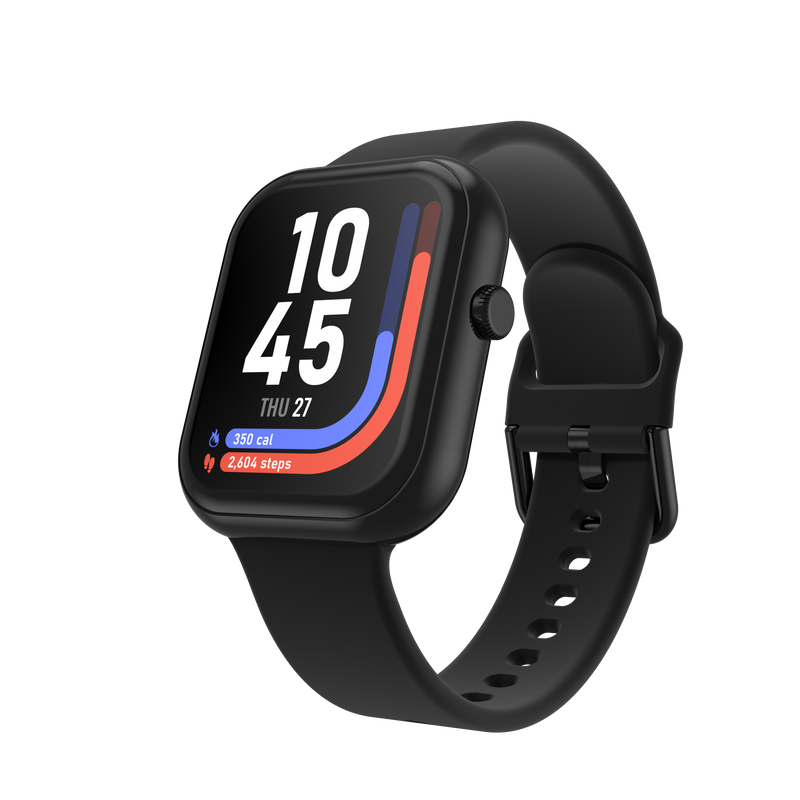
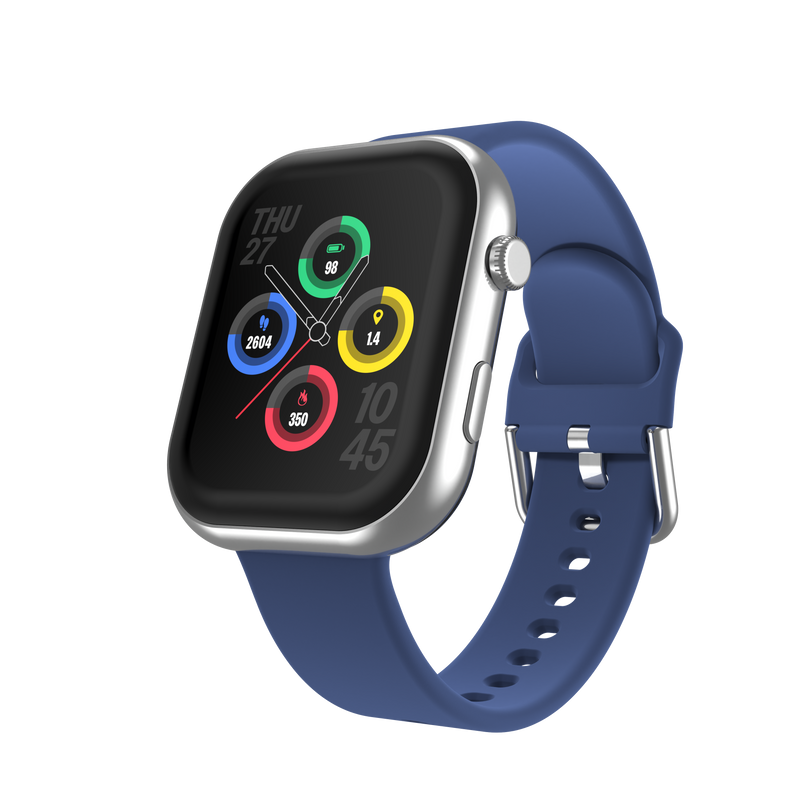
How does a reflective optical SpO2 Blood Oxygen Monitor Watch measure blood oxygen saturation?
A blood oxygen monitor watch uses reflective photoplethysmography (PPG). Dual-wavelength light-emitting diodes (red light at approximately 660 nm and infrared light at approximately 940 nm) shine into the subcutaneous micro-vascular tissue of the wrist. Photodiode detectors measure the reflected light intensity. Because oxygenated hemoglobin absorbs more infrared light while deoxygenated hemoglobin absorbs more red light, the watch's integrated microcontroller calculates the relative ratio of light absorption during pulse surges to output an estimated peripheral capillary oxygen saturation (SpO2) percentage.
What is the operational accuracy of consumer wellness SpO2 smartwatches versus medical pulse oximeters?
iTOUCH consumer blood oxygen monitor watches are calibrated to deliver tight precision—typically within +/- 2% to 3% of medical reference pulse oximeters under resting, static testing conditions within the 70% to 100% SpO2 range. However, these devices are certified under General Wellness product categories. They are designed for sports, fitness tracking, and everyday personal health insights rather than clinical medical diagnosis or treatment monitoring, allowing distributors to market them globally without medical device prescription constraints.
What OEM / ODM customization options are available for wholesale orders?
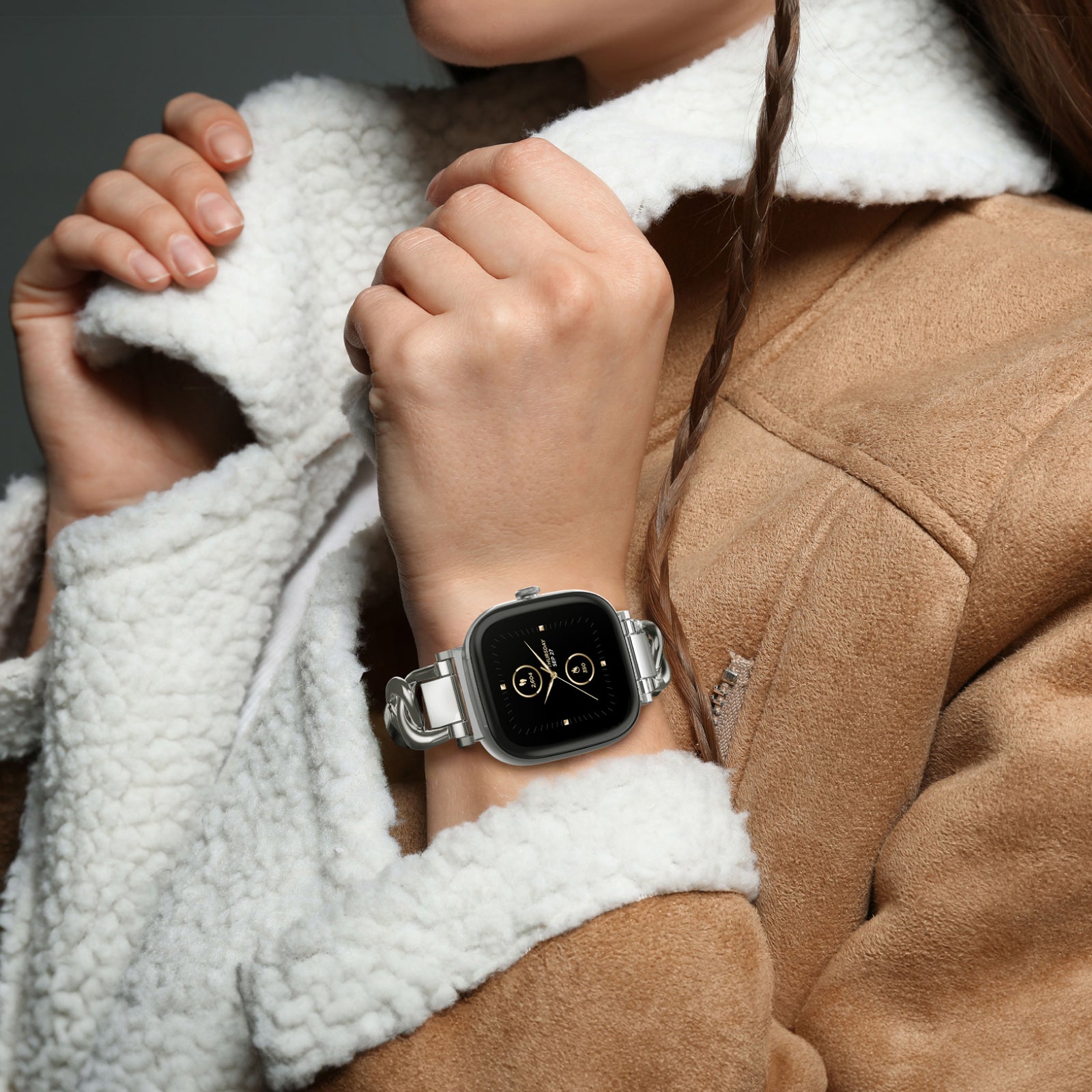
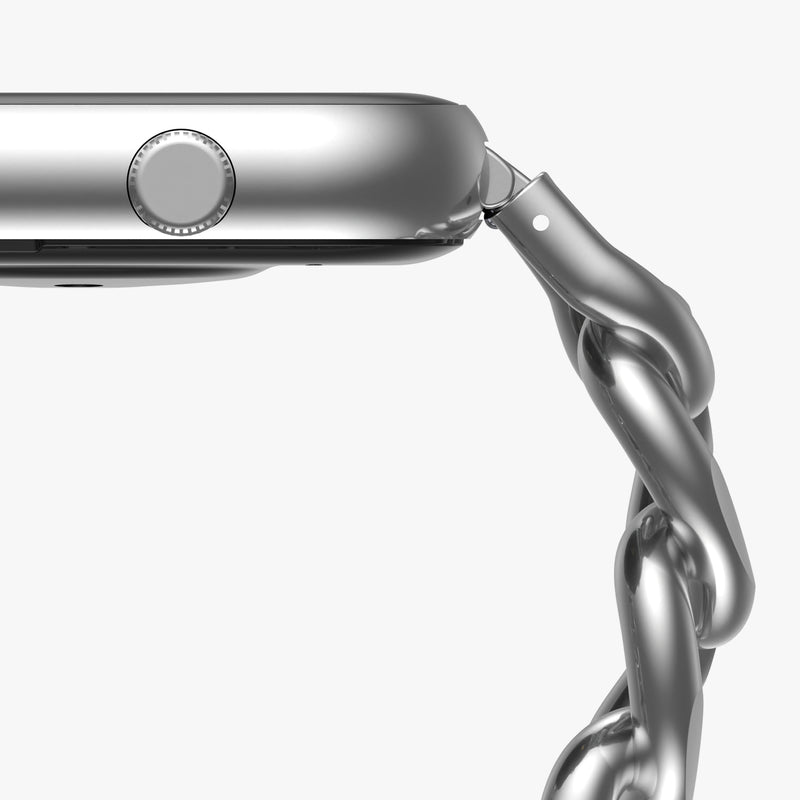
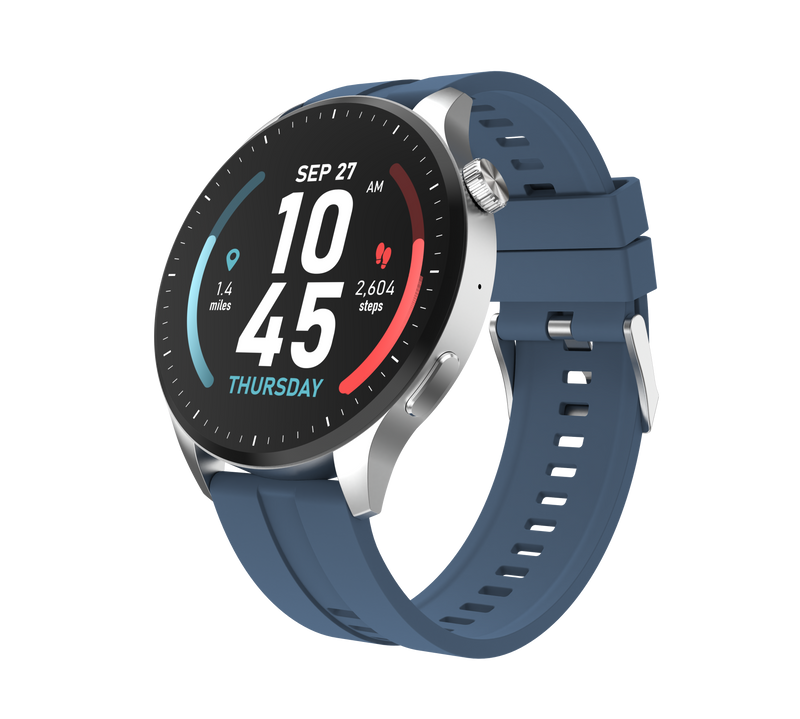
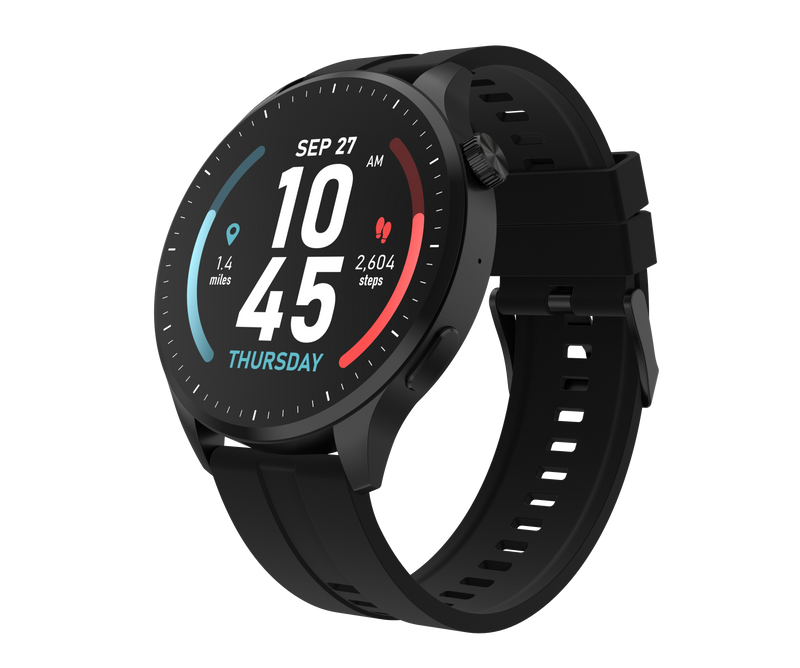
We offer comprehensive OEM/ODM customization. This includes custom alloy casing colors (PVD plating), laser-engraved backcases, custom silicone/mesh/leather quick-release straps, custom retail box packaging design, branded start-up boot logos, pre-loaded watch faces, and localized companion app integration for iOS and Android.
How does continuous SpO2 tracking impact battery performance and overall watch lifespan?
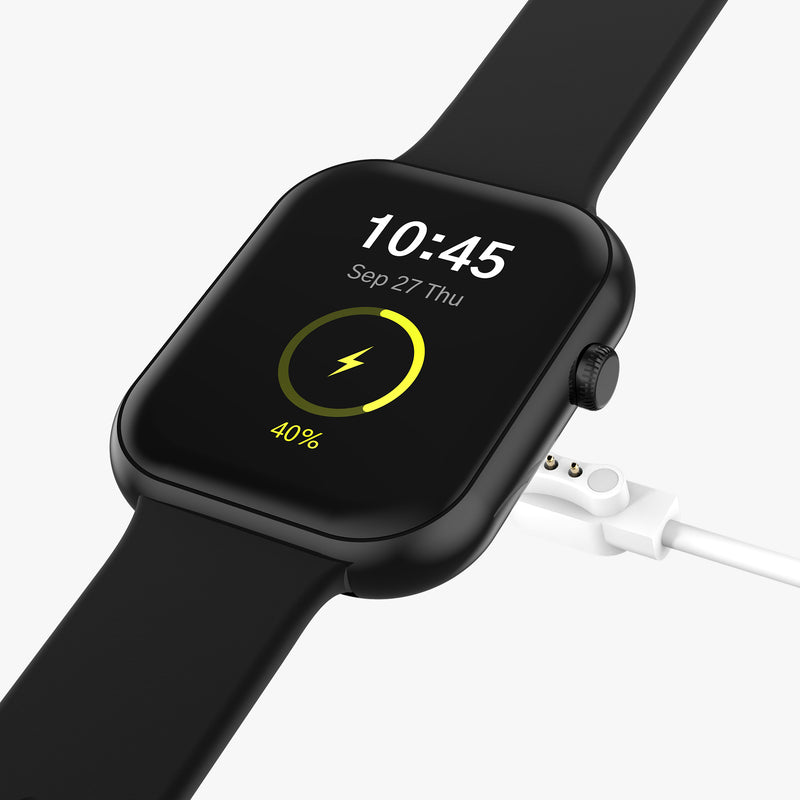
Continuous optical LED sampling requires significant power. To ensure reliable multi-day performance, iTOUCH firmware utilizes smart duty-cycling algorithms. High-frequency or continuous SpO2 sampling is dynamically triggered during low-motion periods, such as nocturnal sleep. This approach ensures rich health data while maintaining a reliable battery life of 5 to 7 days per charge with up to 20 days on low-power standby mode.
Are iTOUCH blood oxygen monitor watches compatible with iOS and Android smartphones?
Yes. All iTOUCH smartwatches pair via Bluetooth Low Energy (BLE 5.3) using the official iTOUCH Wearables companion application, available on both the Apple App Store and Google Play Store. The application syncs historical heart rate, blood oxygen, sleep stage tracking, and activity data seamlessly.
What water resistance standards do your SpO2 watch lines meet?
Our lifestyle smartwatch collections (such as AIR 5, ACTIVE 5, BELLE, and BLOOM) carry IP68 ingress protection ratings, protecting against dust, rain, sweat, and daily handwashing. Our rugged outdoor model, EXPLORER 5 PRO, features a 5ATM waterproof rating suitable for pool swimming, shallow water activities, and high-exposure outdoor rainstorms.
Do you provide custom SDK access or API integrations for digital health platforms?
Yes. For qualified enterprise accounts, health system integrators, and corporate wellness platforms, we provide custom mobile SDKs and API integration documentation. This enables secure extraction of user-permissioned biometric payloads (including SpO2 readings, heart rate trends, and sleep data) into proprietary cloud backends.
What quality assurances and warranty terms apply to wholesale procurement orders?
All iTOUCH Wearables smartwatches undergo strict 100% factory inspection, including IP68/5ATM pressure verification, optical sensor calibration, and battery cycling tests. Devices are covered by a standard one-year limited warranty against manufacturing defects, supported by localized customer service centers and spare parts inventory (magnetic chargers, replacement bands).