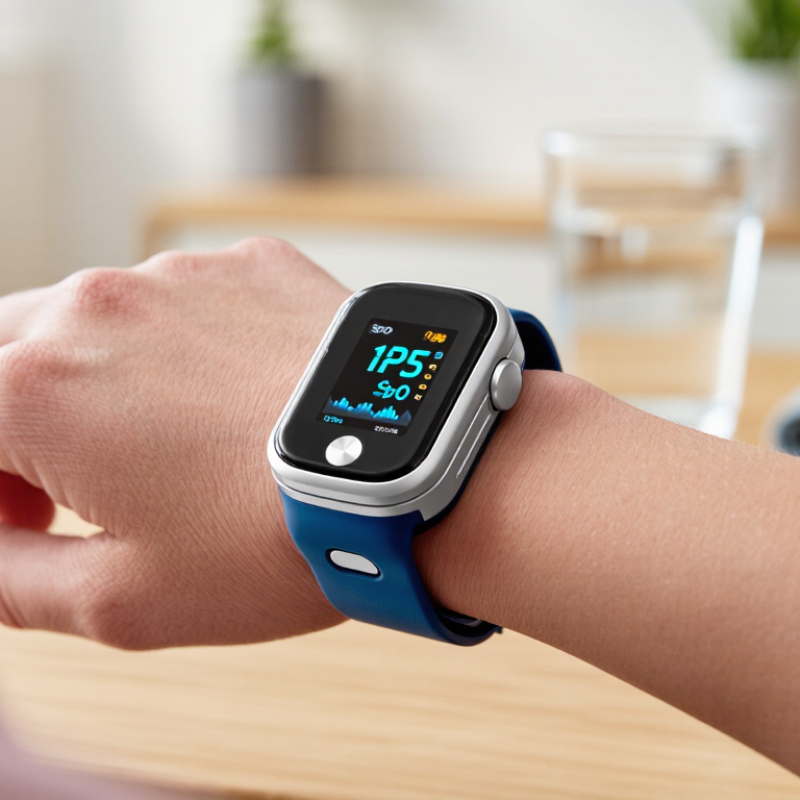
| Occasional wellness checks |
Basic health-focused smartwatch with spot-check measurements |
On-demand SpO₂ readings, result history, resting heart-rate tracking, and clear measurement instructions |
Comfortable fit, readable display, simple controls, and at least several days of battery life |
Entry to mid-range; approximately US$80–$200 |
Confirm that oxygen measurement is available in the intended country and is not presented as a diagnostic test |
| Sleep and overnight trend tracking |
Sleep-oriented watch designed for continuous or periodic overnight sensing |
Overnight SpO₂ trends, sleep duration, breathing-related indicators, and vibration alarms |
Battery capacity for overnight use, comfortable low-profile case, adjustable band, and secure fit |
Mid-range; approximately US$150–$350 |
Look for trend graphs rather than relying on a single nighttime reading; loose fit and movement can affect results |
| Frequent outdoor exercise |
Fitness watch with oxygen tracking, activity profiles, and reliable outdoor sensors |
SpO₂ spot checks, heart-rate monitoring, route tracking, elevation data, and workout summaries |
Built-in satellite positioning, water resistance, durable glass, readable outdoor screen, and 5–14 days of typical battery life |
Mid-range to premium; approximately US$200–$500 |
Check whether oxygen sensing works during exercise or only while resting, because motion can reduce measurement quality |
| High-altitude travel or hiking |
Outdoor-focused watch with altitude tools and manual oxygen checks |
Spot SpO₂ readings, elevation gain, barometric altimeter, compass, weather information, and emergency location sharing |
Rugged construction, strong water resistance, cold-weather suitability, offline navigation, and long battery life |
Mid-range to premium; approximately US$250–$700 |
Treat watch readings as general information; altitude symptoms require proper assessment and may require a medical-grade device |
| Daily health and notification use |
Balanced smartwatch combining wellness features with communication tools |
SpO₂ spot checks, heart-rate alerts, sleep tracking, notifications, automatic activity detection, and app synchronization |
Smartphone compatibility, bright display, reliable Bluetooth connection, replaceable or durable band, and 2–7 days of battery life |
Entry to premium; approximately US$100–$600 |
Check operating-system compatibility, data privacy settings, subscription requirements, and whether all health features work with your phone |
| Long trips without frequent charging |
Battery-first fitness watch with essential health monitoring |
Manual SpO₂ checks, low-power health tracking, battery-saving mode, and downloadable activity records |
At least 7 days of typical battery life, efficient display, standard charging cable, and a low-battery warning |
Mid-range; approximately US$150–$450 |
Compare real-world battery estimates with GPS and oxygen tracking enabled, not only the manufacturer’s maximum standby claim |
| Users who need clinical-level information |
A consumer watch should not be the primary measurement device |
A watch may help record general trends, but a validated medical pulse oximeter is more appropriate for health decisions |
Choose a separately validated device when accurate oxygen saturation readings are medically necessary |
Varies by medical device and care requirements |
Seek professional advice for persistent low readings, breathing difficulty, chest pain, confusion, or worsening symptoms |