Stress is no longer an invisible feeling measured only in hindsight. A Stress Monitoring Smartwatch turns selected body signals into a visible, time-based picture of physiological strain. It may track heart rate, heart-rate variability, sleep duration, movement, and skin temperature. Some models also estimate electrodermal activity through tiny changes in skin conductivity.
The market is expanding quickly. IDC reported approximately 537.5 million wearable devices shipped worldwide in 2024. Grand View Research also projects strong growth for the global wearable technology market through the next decade. These figures show rising demand, but popularity does not guarantee accuracy. A smartwatch detects patterns. It does not read emotions directly.
As Valencell co-founder Steven LeBoeuf has said, “The best sensor is the one people will wear.” That principle matters during a tense meeting, a late commute, or a restless night. A comfortable device can collect more consistent data. Still, algorithms may confuse exercise, caffeine, illness, or excitement with stress. Context matters.
The American Psychological Association continues to report that stress affects sleep, concentration, mood, and physical wellbeing. A Stress Monitoring Smartwatch can support awareness by showing changes over hours or days. It may suggest breathing exercises, movement breaks, or earlier rest. Helpful, but imperfect.
The numbers need reflection. A high stress score is not a diagnosis. A calm score does not prove good health. This guide examines how sensors, algorithms, and user habits work together, while keeping medical judgment with qualified professionals.
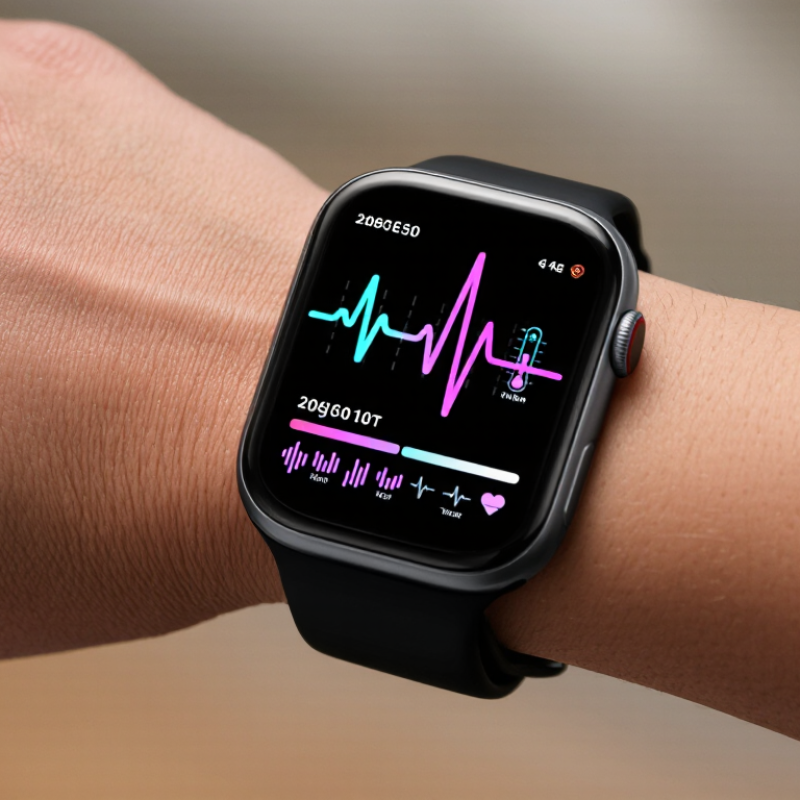
A stress monitoring smartwatch is a wearable device designed to estimate changes in your body’s stress response. Its purpose is not to diagnose anxiety or illness. Instead, it helps you notice patterns during work, exercise, travel, or poor sleep. By showing possible stress periods, the watch can encourage timely breaks and better self-awareness. A useful reading should support reflection, not create fear.
The device commonly measures heart rate, heart rate variability, movement, breathing patterns, and sleep signals. Algorithms combine these measurements into a stress score or alert. In practice, a rising score may appear during a tense meeting or after several restless nights. However, caffeine, exercise, fever, and emotional excitement can produce similar signals. The result is an estimate, not a medical conclusion. Accuracy may also vary because of loose straps, skin contact, and individual physiology. This limitation deserves more attention.
Tips: Wear the watch consistently, but keep it comfortably secure. Compare readings with your mood, sleep, and daily events. Record repeated patterns instead of reacting to one unusual score. Try slow breathing, a short walk, or quiet time when stress indicators remain elevated. If discomfort or severe distress continues, consult a qualified healthcare professional.
A stress-monitoring smartwatch does not read emotions directly. It estimates physiological changes associated with stress. The results are useful indicators, not medical diagnoses.
Photoplethysmography, or PPG, is a key sensor. It shines light into the skin and measures blood-volume changes. This helps calculate heart rate and heart-rate variability, often called HRV. Lower HRV may appear during strain, although it can also follow poor sleep or hard exercise. Electrodermal activity, or EDA, tracks tiny changes in skin conductivity. When sweat glands become more active, conductivity may rise. This response can suggest nervous-system arousal, even when sweating is barely noticeable.
Skin-temperature sensors add another detail. Cold fingers, warm rooms, or sudden temperature shifts can affect readings. An accelerometer records movement, helping separate stress signals from walking, typing, or exercising. Some watches estimate breathing patterns through heart and motion data. Movement matters. No single sensor is dependable alone.
In practical use, the watch may show a higher stress score during a crowded commute, with a faster pulse and increased EDA. That pattern looks meaningful, but it is still an estimate. Caffeine, dehydration, illness, and loose wrist contact can create similar signals. I would question any result that appears without context. Reliable interpretation requires repeated measurements, careful sensor placement, and evidence from validated research. Even then, the numbers describe body responses, not personal feelings.
Key sensor signals used to detect stress-related changes
This representative 10-minute example shows changes from an individual's personal baseline. A rise in heart rate and electrodermal activity, together with a reduction in heart-rate variability and skin temperature, may contribute to a stress-related pattern. Smartwatches estimate stress by combining signals from optical heart-rate sensors, motion sensors, skin-conductance sensors, and temperature sensors; these measurements are not a medical diagnosis.
A stress monitoring smartwatch estimates how your body responds to pressure. It does not read thoughts. It collects signals through sensors touching your wrist. Photoplethysmography uses green light to track blood volume changes and estimate heart rate. From beat-to-beat timing, the watch calculates heart rate variability, or HRV. Lower HRV can appear during strain, poor sleep, illness, or intense exercise.
Other sensors add context. An electrodermal activity sensor measures tiny changes in skin conductance caused by sweating. A temperature sensor records skin temperature shifts. An accelerometer detects movement, stillness, and possible exercise. The software combines these streams with sleep duration and recent activity. A 2023 review in Sensors examined 40 wearable-stress studies and identified HRV and electrodermal activity as frequent indicators. However, study methods differed widely, so one score cannot fit everyone.
The watch usually compares your readings with a personal baseline. It may flag an unusual pattern after a tense meeting, restless night, or hard workout. That sounds precise. It is not. Motion can distort optical readings, while caffeine, heat, and dehydration can change results. IDC’s Worldwide Quarterly Wearable Device Tracker estimated 537.7 million wearable devices shipped globally in 2024, showing how widely these measurements are being used. Still, I would treat the score as a prompt, not a diagnosis. Check the graph, remember the situation, and question sudden changes before drawing conclusions.
A stress-monitoring smartwatch estimates strain from signals such as heart rate, heart-rate variability, movement, sleep, and breathing patterns. It compares these signals with your usual baseline, rather than judging one isolated reading. A raised pulse during a meeting may increase the stress score. The same rise after climbing stairs may not. Context matters.
Most devices convert these changes into a simple score, level, or colored zone. Real-time notifications may appear when unusual readings continue for several minutes. They can prompt slower breathing, a short walk, or a quiet break. This matters because Gallup’s 2024 Global Emotions Report found that 37% of adults experienced stress during much of the previous day. The World Health Organization’s World Mental Health Report also estimated that nearly one in eight people worldwide live with a mental disorder. Still, a smartwatch cannot diagnose anxiety or any medical condition. The score can look precise. It is not a verdict.
Tips: Check trends across several days, not one dramatic alert. Keep the watch secure, but comfortable. Record caffeine, exercise, illness, and poor sleep beside high readings. If alerts repeatedly disturb you, reduce their frequency. Personal testing helps, but the method is imperfect; skin contact, motion, and individual biology can distort results. Persistent distress deserves conversation with a qualified healthcare professional, not only another notification.
What Is a Stress Monitoring Smartwatch and How Does It Work?
A stress monitoring smartwatch estimates stress through signals from your body. It may track heart rate, heart-rate variability, skin temperature, movement, and sweat-related electrical changes. The watch compares these patterns with your usual baseline. A high reading can appear after a tense meeting, poor sleep, caffeine, or exercise. It is an estimate, not a medical diagnosis. Accuracy varies because sensors can shift during movement, loose wear, or heavy sweating. Skin contact also matters. A calm score does not always mean you feel calm. That gap deserves attention.
Privacy is equally important. Stress data can reveal sleep habits, work routines, and emotional patterns. Before using a watch, check which information is collected, where it is stored, and whether it is shared. Review app permissions and retention settings. Choose clear deletion options when available. Even reputable systems can make mistakes. Algorithms are trained on groups of people, so results may differ across skin tones, ages, health conditions, and daily routines. More research is still needed.
Tips: Wear the watch firmly, but comfortably. Record unusual readings beside your real situation. Compare trends over several days, not one alert. Turn off unnecessary permissions. Treat the score as a conversation starter with a qualified professional, never as proof of illness. I would also question readings that conflict with how you feel. The device is useful, but imperfect.
| Data Dimension | What the Watch Measures or Does | How It Works | Accuracy and Evidence | Important Limitations |
|---|---|---|---|---|
| Stress monitoring definition | Estimates physiological arousal and recovery patterns rather than directly measuring emotions or thoughts. | Algorithms combine sensor readings with personal baselines, activity context, and time-based trends. | Useful for identifying patterns over time when interpreted alongside personal context. | A stress score is an estimate, not a clinical diagnosis or a direct measurement of psychological stress. |
| Heart rate | Beats per minute and changes from the user’s usual resting or active levels. | Optical sensors detect blood-volume changes in the skin using photoplethysmography. | Generally more reliable during stillness; accuracy can decrease during movement or poor sensor contact. | Exercise, caffeine, fever, pain, medication, dehydration, and emotion can all raise heart rate. |
| Heart-rate variability | Variation in the time interval between consecutive heartbeats. | The algorithm analyzes beat-to-beat intervals, often during rest or sleep, to estimate autonomic nervous system activity. | Can provide useful recovery and physiological-load trends when measured consistently under similar conditions. | It varies with age, fitness, breathing, sleep, illness, alcohol, medication, posture, and measurement quality; a single reading is weak evidence. |
| Electrodermal activity | Changes in skin conductance associated with sweat-gland activity. | Small electrical signals are used to estimate changes in sympathetic nervous system activation. | Can detect physiological arousal, especially during controlled or relatively still conditions. | Heat, humidity, exercise, movement, skin contact, and perspiration can produce signals unrelated to mental stress. |
| Respiration and movement | Breathing patterns, activity level, posture, and periods of stillness. | Motion sensors and pulse signals help separate exercise-related changes from changes occurring at rest. | Context improves interpretation because elevated heart rate during exercise should not automatically be labeled as stress. | Wrist-based devices may estimate respiration indirectly and can be affected by loose fit, vigorous motion, or unusual breathing. |
| Sleep and recovery trends | Sleep duration, interruptions, resting heart rate, and overnight physiological trends. | The device combines movement, heart-rate patterns, and time intervals to estimate sleep and recovery indicators. | Repeated measurements can help reveal changes in routine or recovery, but sleep-stage estimates are not equivalent to clinical sleep testing. | The watch may not reliably distinguish all sleep stages, wakefulness, or causes of poor sleep without additional clinical information. |
| Stress score generation | A simplified level, range, label, or trend representing estimated physiological load. | Statistical or machine-learning models compare multiple signals with an individual baseline and contextual data. | Best used for relative changes within the same person rather than direct comparisons between different people. | Scoring methods are usually proprietary, may differ between devices, and can produce false positives or false negatives. |
| Calibration and fit | The quality and consistency of contact between the watch and the skin. | Algorithms establish a baseline from repeated readings and use sensor-quality checks to process incoming data. | A secure, comfortable fit and regular use generally improve trend consistency. | Loose placement, tattoos, hair, sweat, cold skin, skin irritation, and inconsistent wear can reduce signal quality. |
| Accuracy expectations | The practical reliability of the measurements and the interpretation made from them. | Accuracy depends on the sensor, body location, activity, algorithm, data quality, and comparison method. | Heart-rate trends are often more established than consumer stress labels; independent validation should be checked for any specific device. | No wearable can determine the exact cause of a stress reading or replace a medical assessment. |
| Privacy and data handling | Health-related measurements, timestamps, activity data, sleep information, and derived scores. | Data may be stored on the watch, phone, or a remote server and transferred through connected applications. | Protection depends on account security, encryption, permissions, retention rules, and the provider’s privacy practices. | Users should review consent settings, data-sharing options, deletion procedures, third-party access, and whether data may be used for research or advertising. |
| Recommended use | Self-awareness, habit tracking, relaxation reminders, and identifying changes that may warrant reflection. | Compare multi-day or multi-week trends with sleep, exercise, illness, workload, and subjective notes. | Most informative when combined with how the person actually feels and with consistent measurement conditions. | Persistent symptoms, alarming readings, or concerns about anxiety, depression, heart rhythm, or other health conditions should be discussed with a qualified healthcare professional. |
Note: Consumer smartwatch stress features estimate physiological arousal and recovery. They should not be used as a standalone diagnostic tool or as a substitute for professional medical advice.
No. It estimates body changes linked with stress. The result is an indicator, not a medical diagnosis.
Optical sensors track blood-volume changes and estimate heart rate. Skin-conductivity sensors detect small sweating changes. Temperature and motion sensors add context.
Heart-rate variability measures timing differences between heartbeats. Lower HRV may occur during strain, poor sleep, illness, or intense exercise.
It can suggest increased arousal when sweat-gland activity rises. Sweating may be too slight to notice. This signal is not conclusive.
Walking, typing, and exercising can distort readings. An accelerometer helps separate movement from possible stress patterns. Separation is imperfect.
Caffeine, dehydration, illness, heat, cold fingers, and loose wrist contact may affect measurements. A restless night can also change the result.
Software combines heart data, skin conductivity, temperature, movement, sleep, and recent activity. It may compare them with your personal baseline.
Check the graph and recall the situation. You may have been in a crowded train, exercising, or drinking coffee. One unusual reading deserves caution.
Not equally. Research methods differ, and personal bodies respond differently. Repeated measurements may help, but the number still needs context.
No. It describes possible body responses, not personal feelings or medical conditions. Discuss persistent concerns with a qualified healthcare professional.
A Stress Monitoring Smartwatch is a wearable device designed to help users understand how their bodies respond to pressure, activity, and daily routines. It typically uses sensors that measure signals such as heart rate, heart rate variability, skin temperature, movement, and sometimes changes in skin conductance. By collecting these measurements continuously or at regular intervals, the watch compares current patterns with the user’s usual baseline and estimates possible stress responses.
The device may present this information through stress indicators, daily scores, trend charts, or real-time notifications encouraging the user to pause and recover. However, these results are estimates rather than medical diagnoses. Accuracy can be affected by movement, loose fitting, individual differences, and environmental conditions. Users should also understand how their data is stored, processed, and shared, since privacy protections vary between devices and services. A stress monitoring watch can support self-awareness, but it should complement—not replace—professional advice or personal judgment.