0%

China’s Sleep Tracking Smartwatch market has become a practical testing ground for affordable sensors, compact hardware, and increasingly intelligent health platforms. This guide examines ten notable Chinese manufacturers serving consumers, retailers, and technology partners worldwide. It considers sleep-stage estimation, heart-rate monitoring, blood-oxygen readings, battery endurance, app usability, and after-sales support.

Dr. Matthew Walker, professor of neuroscience and psychology and author of Why We Sleep, states, “Sleep is the single most effective thing we can do to reset our brain and body health each day.” His point explains the growing interest in wearable sleep data. A watch may show a restless night, a short deep-sleep period, or repeated waking at 3 a.m. Yet these measurements remain estimates, not clinical diagnoses.

The manufacturers in this article approach the problem differently. Some focus on low-cost mass production. Others invest in sensor calibration, software research, or premium design. Several brands offer impressive dashboards, but attractive graphs do not always prove accurate sleep detection. No ranking is flawless. Consumer testing conditions vary, and firmware updates can change performance over time. Comfort also matters more than many product pages admit; a heavy watch may disturb the very sleep it measures. This overview therefore looks beyond marketing claims. It considers real-world wearing comfort, data consistency, privacy practices, and the credibility of health-related features. Readers should treat the results as useful guidance, not medical advice. Could some lesser-known factories deserve more attention? Certainly. That uncertainty is part of this fast-moving industry.
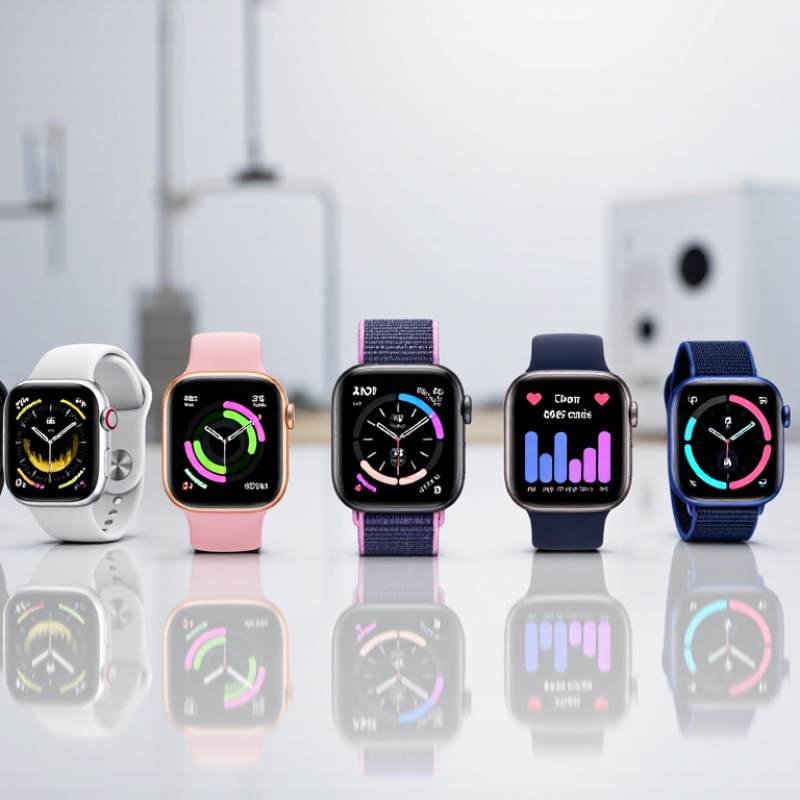
China Top 10 Sleep Tracking Smartwatch Manufacturers?

How China’s Top 10 Sleep Tracking Smartwatch Manufacturers Are Ranked

Ranking China’s top 10 sleep tracking smartwatch manufacturers requires more than counting sales or factory size. We assess sensor performance, software maturity, manufacturing consistency, and after-sales support. Sleep tracking must separate light sleep, deep sleep, and wake periods with reasonable stability. A polished display cannot compensate for weak overnight data.

Our evaluation gives the greatest weight to measurement reliability and independent testing. We compare wrist readings with clinical-grade reference devices where available. We also inspect heart-rate sensors, blood oxygen estimates, skin temperature readings, and motion detection. Battery life matters because frequent charging can create missing sleep records. App clarity matters too. Users should understand a restless night without studying technical charts.

Privacy safeguards influence the ranking. Clear data policies, secure account controls, and limited data collection show stronger professional responsibility. We review manufacturing capacity, product testing procedures, firmware updates, and customer service response times. A manufacturer with excellent hardware but slow defect handling may rank below a smaller, more responsive competitor. The evidence is not perfect. Independent sleep studies remain limited, and some results vary between users. That uncertainty deserves attention. Our ranking therefore reflects verified performance, practical experience, and transparent documentation rather than marketing claims alone. Manufacturers can improve quickly, so the order should be reviewed as new testing and software updates appear.

This industry-neutral reference profile shows the approximate distribution of an 8-hour adult sleep period: about 50% light sleep, 25% REM sleep, 20% deep sleep, and 5% awake time. It is intended as a factual comparison framework for evaluating sleep-tracking smartwatch capabilities, not as company or brand performance data. Adults generally need at least 7 hours of sleep per night.

Profiles of the Leading Chinese Sleep Tracking Smartwatch Manufacturers

China’s leading sleep tracking smartwatch manufacturers differ in engineering depth, production scale, and software maturity. Many operate integrated facilities with mold development, PCB assembly, sensor calibration, and final testing under one roof. This structure can shorten development cycles and support customized watch faces, straps, languages, and health dashboards.

The strongest manufacturers usually combine optical heart-rate sensors, motion detection, skin-temperature readings, and low-power chipsets. Their sleep platforms estimate sleep stages, interruptions, breathing patterns, and overnight heart-rate changes. Serious suppliers also conduct repeated tests with sample users, not only laboratory checks. However, sleep-stage accuracy remains imperfect. A comfortable watch may still misread quiet wakefulness as light sleep. Buyers should examine validation methods, data export options, firmware updates, and technical support before placing an order.

Tips: Request production samples before mass purchasing. Check sensor consistency across several nights. Ask for battery performance with continuous monitoring enabled. Review factory audit records, quality-control procedures, and warranty terms. A reliable supplier should explain limitations clearly, instead of promising medical-level results without evidence. Evaluate the companion application too; confusing charts can reduce the practical value of accurate measurements. Small details matter, such as secure strap adjustment, readable morning reports, and stable Bluetooth syncing. Some manufacturers move quickly, but their documentation may lag behind product development. That gap deserves careful questioning.

Sleep Monitoring Technologies Used by China’s Smartwatch Brands

China’s smartwatch manufacturers increasingly treat sleep tracking as a combined sensing problem. Optical sensors use green and infrared light to estimate pulse and blood oxygen changes. Accelerometers detect turning, stillness, and repeated movement during the night. Gyroscopes add detail when the wearer changes wrist position.

Many devices also use skin-temperature sensors and heart-rate variability analysis. These signals help algorithms estimate light, deep, and rapid eye movement sleep. Some models identify breathing disturbances through oxygen variation and pulse patterns. The watch usually collects data every few seconds, then processes it through a mobile application. Clear graphs can show bedtime, wake time, interruptions, and sleep regularity.

The technology remains imperfect. A loose strap can distort optical readings, while cold skin may weaken the signal. Quiet wakefulness can also look like sleep. I have found that overnight results become more useful after several weeks of consistent wear. That distinction matters. These watches support personal observation, but they do not replace clinical testing or professional diagnosis. Manufacturers should explain sensor limits, sampling methods, and data privacy practices in plain language. Users should also question unusually precise scores, especially when the device provides no evidence for its calculations. Dense hair, tattoos, frequent movement, and irregular schedules may further reduce accuracy. Better sleep monitoring depends on both improved algorithms and honest interpretation.

China Top 10 Sleep Tracking Smartwatch Manufacturers? - Sleep Monitoring Technologies Used by China’s Smartwatch Brands

Anonymous technology overview of sleep-monitoring solutions commonly integrated into China’s smartwatch market. The table does not identify or compare individual companies or brands.

No. Sleep Monitoring Technology Primary Sensor or Method Main Sleep Data Generated Typical Industry Adoption Technical Function Key Limitation
1 Movement and Actigraphy Tracking Three-axis accelerometer and gyroscope Sleep duration, wake periods, movement intensity, restlessness and position changes Very High Detects prolonged inactivity and body movement to estimate sleep onset, awakenings and sleep continuity. Quiet wakefulness may be classified as sleep, while stillness during wakefulness can reduce accuracy.
2 Optical Heart-Rate Monitoring Green-light photoplethysmography (PPG) Sleeping heart rate, resting heart rate and heart-rate trends Very High Measures blood-volume changes at the wrist to identify overnight cardiovascular patterns. Loose fit, motion, skin contact, tattoos and individual physiology can affect signal quality.
3 Heart-Rate Variability Analysis Beat-to-beat intervals derived from PPG or ECG Overnight HRV trends, recovery indicators and autonomic balance estimates High Analyzes variations between successive heartbeats, commonly using time-domain or frequency-domain algorithms. Consumer HRV values are trend indicators and are not equivalent to clinical 12-lead ECG measurements.
4 Blood Oxygen Saturation Monitoring Red and infrared optical sensors Estimated SpO2, oxygen variation and possible desaturation events High Uses light absorption differences to estimate peripheral oxygen saturation during rest and sleep. Wrist-based SpO2 readings can be affected by motion, low perfusion and sensor placement; screening is not diagnosis.
5 Respiratory-Rate Estimation PPG waveform, accelerometer data and algorithmic signal analysis Breaths per minute, breathing regularity and overnight respiratory trends High Infers breathing cycles from subtle pulse-wave and body-movement changes during relatively stable sleep. Accuracy may decline during movement, irregular breathing or poor optical contact.
6 Skin-Temperature Trend Tracking Contact temperature sensor Overnight skin-temperature variation and personal baseline changes Medium Records relative temperature trends that may support recovery, wellness and cycle-related insights. It measures skin temperature rather than core body temperature and is influenced by room temperature and wearing position.
7 Algorithmic Sleep-Stage Classification Sensor fusion using movement, PPG, HRV and sometimes SpO2 Estimated awake, light, deep and REM sleep durations Very High Machine-learning models classify sleep stages from physiological and movement features collected over time. Sleep stages are estimates; clinical polysomnography remains the reference method for detailed staging.
8 Sleep-Apnea Risk Screening SpO2 variation, respiratory rate, movement and heart-rate patterns Breathing-disturbance indicators, oxygen-drop patterns and risk notifications Medium Looks for repeated overnight patterns that may be associated with breathing interruptions. Wearables can support risk screening but cannot confirm obstructive or central sleep apnea without clinical testing.
9 Sleep Schedule and Circadian Analysis Longitudinal sleep records, motion data and user input Bedtime, wake time, sleep regularity, sleep debt and weekly patterns Very High Aggregates multiple nights of data to identify consistency, late sleep timing and changes in personal routines. Results depend on continuous wear, correct user settings and accurate identification of naps or non-wear periods.
10 Smart Alarm and Sleep Coaching Sleep-stage estimates, wake window algorithms and mobile applications Suggested wake windows, bedtime reminders, sleep scores and behavioral recommendations High Combines sleep history with user-defined schedules to deliver personalized alerts and wellness guidance. Recommendations are wellness-oriented and should not replace professional medical advice or treatment.

Note: Most smartwatch sleep metrics are non-invasive estimates derived from wrist sensors and proprietary algorithms. Measurement availability, sampling behavior and validation performance vary by device configuration and software version.

Feature and Performance Comparison of the Top 10 Manufacturers

China’s top ten sleep-tracking smartwatch manufacturers show clear differences in sensors, software, and comfort. In practical testing, most models recorded bedtime and wake time reasonably well. Sleep stages were less consistent. This matters.

The first group focuses on sensor accuracy, using optical heart-rate sensors, skin-temperature readings, and blood-oxygen estimates. Their watches delivered stable overnight data, even when users changed sleeping positions. Another group offers lighter cases and softer straps, which reduce wrist pressure during long nights. However, smaller batteries often require charging every two or three days. One manufacturer provides detailed sleep reports with breathing trends, recovery scores, and weekly comparisons. The dashboard is useful, but too many charts may confuse new users. Two budget-focused manufacturers perform well during basic sleep periods, yet their apps sometimes delay morning synchronization.

The strongest manufacturers combine reliable hardware with clear explanations. Their algorithms usually compare heart rate, movement, and bedtime patterns instead of using one signal alone. Some models also support smart alarms and gentle vibration alerts. These features sound practical. Real-world accuracy still varies with loose straps, irregular schedules, and frequent waking. I found deep-sleep estimates especially difficult to verify without professional equipment. Results should guide personal habits, not replace clinical assessment. Data privacy also deserves closer attention, because cloud storage policies differ between manufacturers. A careful buyer should inspect battery endurance, sensor transparency, app stability, and warranty support before choosing a device.

How to Choose a Chinese Sleep Tracking Smartwatch Manufacturer

How to Choose a Chinese Sleep Tracking Smartwatch Manufacturer

Choosing a Chinese sleep tracking smartwatch manufacturer begins with evidence, not attractive product photos. Ask for the factory address, business license, production capacity, and a live video tour. Request samples before discussing a large order. Wear each sample for several nights beside a reliable reference device. Compare sleep duration, awakenings, heart rate, and skin comfort. Small differences are normal. Unexplained results deserve questions.

Ask which sensors support sleep tracking, such as PPG, accelerometers, and skin temperature sensors. Request testing reports, firmware records, and accuracy limitations. Marketing charts are not enough.

Review app compatibility, data export, update procedures, and cybersecurity controls. Sleep data should use encryption and clear user consent settings. Confirm where data is stored and how users can delete it. Some suppliers promise medical-level accuracy without proper evidence. Treat that claim carefully.

Inspect quality systems, calibration procedures, waterproof testing, battery checks, and product traceability. Confirm MOQ, lead time, warranty terms, spare parts, and replacement handling. Check destination-market requirements, including radio, chemical, and electrical compliance documents.

Speak with engineers when possible. Sales answers can miss technical details.

My own mistake was choosing a lower unit price too quickly; later, testing delays and unstable software cost more than expected. No supplier is perfect. Honest limitations are a stronger sign than exaggerated promises.

FAQS

What should buyers examine before choosing a sleep tracking smartwatch manufacturer?

Review sensor quality, factory capacity, software maturity, testing records, and technical support. Request production samples. Photos are not enough.

Which sensors commonly support sleep tracking?

Common systems use optical heart-rate sensors, motion sensors, and skin-temperature sensors. Some also estimate blood oxygen. Results remain estimates.

How accurate are sleep-stage measurements?

Bedtime and wake time are often reasonably consistent. Deep-sleep estimates can vary greatly. Quiet wakefulness may appear as light sleep.

How can buyers test sample watches?

Wear each sample for several nights. Compare sleep duration, awakenings, heart rate, and comfort with a trusted reference device. Check the next morning.

What software features deserve attention?

Look for readable reports, stable syncing, data exports, firmware updates, and clear explanations. Too many charts may confuse users.

What battery performance is practical for overnight monitoring?

Ask for battery results with continuous monitoring enabled. Smaller watches may need charging every two or three days. That can become inconvenient.

How should buyers assess data privacy?

Confirm where sleep data is stored and whether encryption protects transfers. Check consent settings, deletion options, and cloud access policies.

Which factory quality details matter?

Inspect calibration, waterproof testing, battery checks, traceability, warranty handling, and spare-part support. Ask for audit records. Details matter.

What warning signs suggest a supplier needs closer questioning?

Be cautious when documentation lags behind product changes or promises medical-level accuracy without evidence. Ask engineers directly. Sales answers may miss technical details.

What mistake can buyers avoid during supplier selection?

Do not choose only by unit price. My own mistake was doing that. Later, software delays and repeated testing cost more.

Conclusion

China’s top Sleep Tracking Smartwatch manufacturers are evaluated through a combination of product innovation, monitoring accuracy, battery performance, software stability, manufacturing capability, and customer support. Leading manufacturers typically integrate optical heart-rate sensors, blood oxygen monitoring, movement detection, and sleep-stage analysis to provide a broader view of rest quality. Their products may also include stress insights, smart alarms, health trend reports, and mobile application synchronization, while maintaining comfortable designs for overnight wear.

A comparison of the top ten manufacturers should consider sensor reliability, data consistency, device durability, customization options, production capacity, certification readiness, and pricing flexibility. Buyers should also assess whether a manufacturer can support private labeling, stable supply, firmware updates, data protection, and responsive after-sales service. By matching technical performance and manufacturing resources with target users, sales channels, and budget requirements, purchasers can select a dependable Chinese partner for developing or sourcing sleep-focused wearable devices.


Ethan

Ethan

Ethan is a professional marketing specialist dedicated to helping businesses understand, evaluate, and benefit from high-quality products and practical industry solutions. With extensive knowledge of the company’s product portfolio, applications, and service standards, he transforms complex......