Engineered for global retail distributors, brands, and enterprise buyers. Rigorously tested for compliance, signal accuracy, and battery performance.
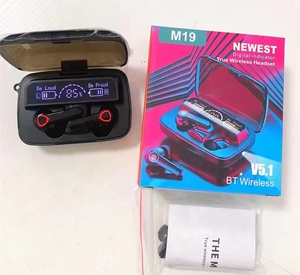
Combining precision electronic manufacturing with advanced software SDK integration for end-to-end wearable solutions.
Every batch undergoes rigorous RF radiated power, SAR evaluation, and EMC electromagnetic compatibility testing in ISO17025 accredited laboratories to meet European Union Directives 2014/53/EU.
Proprietary dual-LED multi-wavelength photoplethysmography (PPG) optical sensors combined with dynamic motion compensation algorithms for real-time SpO2, HRV, and sleep staging tracking.
Full iOS and Android BLE integration. We provide customized UI design, cloud database connectivity, and native API hooks for third-party health ecosystem synchronization.
An executive procurement whitepaper for original equipment manufacturers (OEM), original design manufacturers (ODM), and enterprise brand buyers.
The global wearable technology market has shifted dramatically from basic step-counting fitness bands to highly integrated biometric intelligence nodes. Modern consumers and corporate healthcare buyers demand medical-grade sensor accuracy, sunlight-legible display technology, ultra-low-power microcontrollers (MCUs), and robust water resistance without sacrificing refined aesthetics.
Optical signal degradation caused by skin tone variations, ambient motion artifacts, and sweat perspiration has historically been the primary point of failure for consumer smartwatches. Advanced factories now deploy multi-channel PPG architecture utilizing red, green, and infrared wavelengths paired with 3-axis or 6-axis MEMS accelerometers.
By employing adaptive Kalman filtering and hardware-level signal conditioning, smartwatches can filter out physical movement noise during high-intensity interval training (HIIT) or trail running, maintaining an optical measurement precision within ±2 bpm against clinical reference devices.
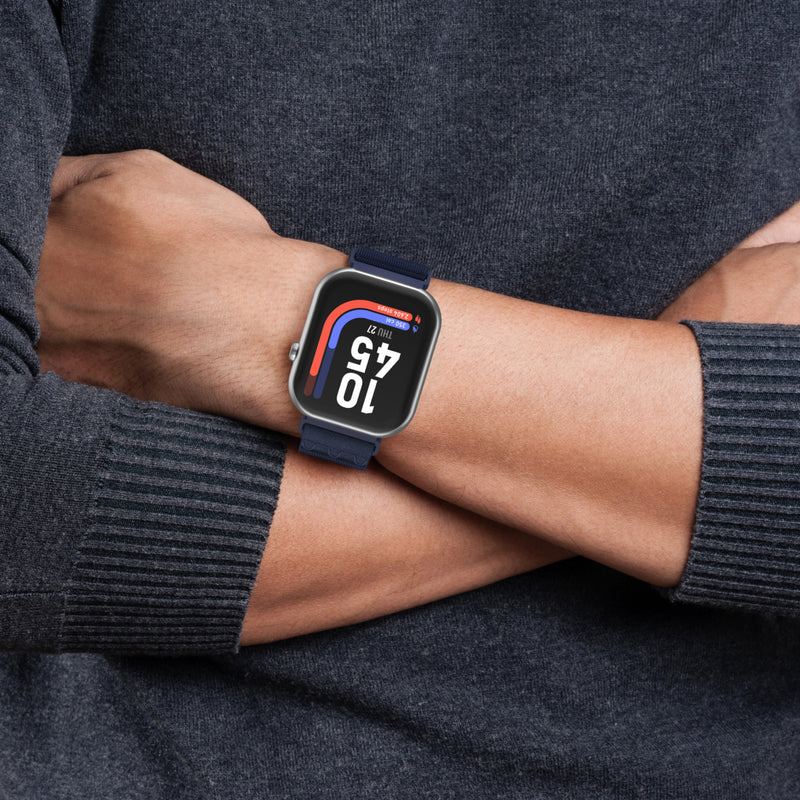
Display panels represent up to 35% of a smartwatch's total Bill of Materials (BOM) cost and over 50% of active power consumption. Sourcing directors must evaluate display selection based on target deployment scenarios:
To overcome the battery lifespan bottleneck, leading smartwatches utilize dual-processor system architectures. A high-performance main application processor (such as Apollo4 or Realtek RTL8763E) powers the rich graphics user interface (GUI) and Bluetooth call routing, while an ultra-low-power co-processor handles background sensor polling, step accumulation, and BLE beacon transmissions in sub-milliamp sleep states.
Procurement directors and product managers face evolving supply chain complexities, heightened regulatory enforcement, and shifting consumer demands. Navigating wholesale smartwatch manufacturing requires a proactive strategy around four macro trends:
While CE RED certification remains mandatory for European entry, upcoming enforcement of the EU Cyber Resilience Act and updated EU Battery Regulations (2023/1542) require factories to provide full chemical traceability (RoHS/REACH) and software vulnerability patch guarantees for at least 5 years post-production.
Retail buyers are rejecting fixed-design wearables. Standardized quick-release lug widths (20mm and 22mm) permit brands to order base electronic module housings in volume while dynamically customizing strap materials (ocean silicone, breathable nylon, stainless mesh) to react to seasonal fashion trends.
Future smartwatch firmwares are embedding tinyML neural network models directly into onboard flash memory. This allows real-time gesture recognition, sleep apnoea trend detection, and predictive fatigue modeling to execute locally without relying on continuous cloud connectivity.
When negotiating wholesale contracts with certified Shenzhen or Dongguan smartwatch manufacturers, a typical BOM allocation for a CE-compliant $25-$40 FOB unit breaks down into: Display Panel (28-32%), Main PCBA & Chipsets (25-30%), Biometric Sensor Stack (12-15%), Housing & Mechanical Tooling (10-12%), and Battery Cell + Protection Circuit Board (8-10%). Understanding this structure allows buyers to optimize custom specifications without compromising structural integrity.
Select the optimal technical profile for your target demographic and distribution channel.
| Series Category | Target Demographic | Display Specs | Water Ingress | Sensor Suite | Battery Life | Compliance |
|---|---|---|---|---|---|---|
| AIR Series (Lifestyle) | Daily Commuters & Corporate Wellness | 1.83" HD Touch (320x386) | IP68 Waterproof | PPG Heart Rate, SpO2, Sleep Staging | 7 Days Typical / 20 Days Standby | CE RED, RoHS, FCC |
| EXPLORER Series (Outdoor) | Hikers, Athletes & Field Workers | 1.96" High-Contrast Sunlight Panel | 5ATM (50m Pool Rated) | Multi-GNSS, Compass, Altimeter, SpO2 | 10 Days Active / 30 Days Standby | CE, RoHS, MIL-STD-810G |
| ACTIVE Series (Fitness) | Gym Enthusiasts & Runners | 1.47" Slim Curved TFT | IP68 Waterproof | 3-Axis Accelerometer, PPG Heart Rate | 5-7 Days Continuous Use | CE, REACH, RED |
| BELLE / BLOOM (Fashion) | Jewelry-Style & Executive | 1.28" Circular / Soft-Square AMOLED | IP68 Waterproof | PPG Sensor, Female Cycle Tracking | 4-5 Days Lifestyle Wear | CE RED, RoHS, CP65 |
| PLAYZOOM (Kids Safety) | Children (Ages 5-12) / Phone-Free | 1.54" Impact-Tolerant Touch | Splash-Proof (IP67) | Step counter, Camera, Micro-Recorder | 2-3 Days Usage | CE, EN71, CPSIA, RoHS |

Quality control is the single most critical factor in global consumer electronics wholesale. A single batch defect rate above 1% can destroy retail profit margins through reverse logistics costs and brand erosion.
Our manufacturing workflow enforces a Zero-Defect Quality Management System across every stage of assembly:
Clear answers to crucial procurement, compliance, and custom engineering questions.
Our CE certification comprehensive package includes full test reports under the Radio Equipment Directive (RED 2014/53/EU): EN 300 328 (2.4GHz BLE RF performance), EN 62479/EN 50663 (Health & Human Exposure SAR), EN 301 489-1/-17 (EMC Immunity and Emissions), and EN 62368-1 (Product Safety). Complete technical construction files (TCF) are provided for customs clearance.
For standard catalog products with custom logo laser engraving and customized retail packaging, our MOQ starts at 500 units per SKU. For full OEM project engineering requiring custom housing tooling colors, customized PCB layout modifications, or custom firmware SDK integrations, the typical MOQ is 2,000 to 5,000 units depending on plastic injection mold specs.
Sensors are calibrated during SMT manufacturing using specialized optical light simulators. Our firmware utilizes custom dynamic signal processing algorithms developed in partnership with leading biometric labs, filtering out motion noise and optimizing LED light emission intensity according to detected skin reflection indexes.
Yes. We provide comprehensive Software Development Kits (SDKs) and API documentation for both iOS and Android platforms. This enables seamless Bluetooth Low Energy (BLE) pairing, background data synchronization (steps, heart rate, sleep cycles), and direct cloud database integration into your enterprise application.
IP68 models are rated for dust protection and continuous static water immersion up to 1.5 meters for 30 minutes—ideal for rain, sweat, and daily handwashing. 5ATM models withstand pressures equivalent to 50 meters depth, making them certified for pool swimming, shallow diving, and high-impact water sports.
We back all enterprise smartwatches with a standard 12-month manufacturer warranty. For large volume shipments, we offer either a 1% spare unit allocation (0.5-1% free units with bulk shipment) or a direct RMA factory replacement program for verified component defects.
Connect with our senior engineering team to request sample units, technical documentation, CE test reports, or custom OEM price quotes.
Send an Inquiry