Explore our certified manufacturing line-up. Built with low-power Realtek and JL chipsets, Bluetooth 5.3 architecture, high-definition AMOLED/LCD displays, and PPG optical bio-sensing suites.
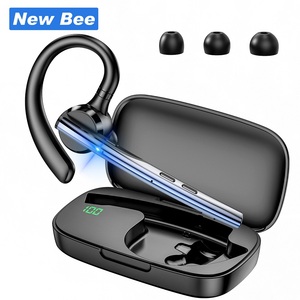
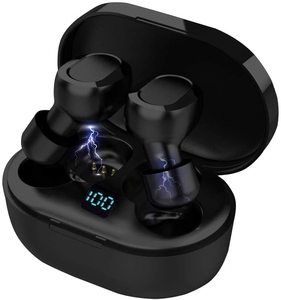
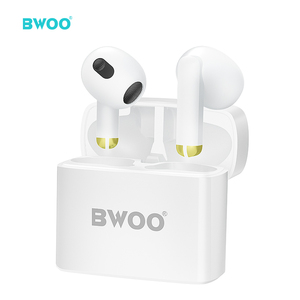
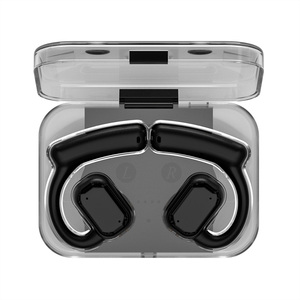
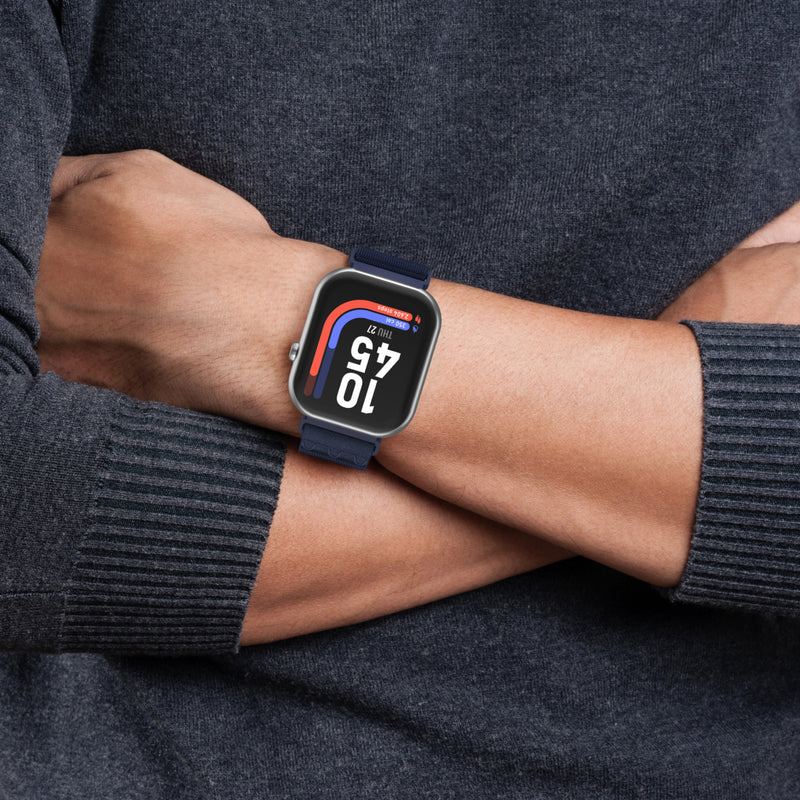



The global wearable technology ecosystem is undergoing a dramatic structural migration from simple activity counters to medical-grade bio-sensing instruments and intelligent ambient voice nodes. For global procurement officers, brand owners, and electronics distributors, partnering with tier-one Chinese original equipment manufacturers (OEM) and original design manufacturers (ODM) has evolved beyond basic labor arbitrage into leveraging sophisticated micro-hardware integration hubs.
In 2025 and beyond, Chinese wearable tech hubs (concentrated in Shenzhen, Dongguan, and Huizhou) provide unparalleled supply chain density. From surface-mount technology (SMT) lines running high-frequency BLE (Bluetooth Low Energy) 5.3 SoCs to specialized cleanrooms for optical heart-rate lens lamination, China handles over 84% of global smartwatch and TWS device production. Navigating this ecosystem requires an acute understanding of component-level sourcing, sensor calibration standards, and white-label companion application SDK customization.
Modern consumer expectation demands multi-spectral sensor arrays. Procurement trends highlight a sharp shift toward photoplethysmography (PPG) sensors combining green light (heart rate), red/infrared light (pulsed blood oxygen SpO2), and thermal thermistors for body temperature trends. Advanced OEM firmware now integrates digital signal processing (DSP) to filter motion artifacts during high-intensity training, giving retail brands diagnostic-level consistency for general wellness marketing.
Battery autonomy remains the primary friction point in consumer adoption. Chinese manufacturers have solved power envelope bottlenecks by pairing ultra-low-power microcontrollers (such as Nordic Semiconductor nRF series or Realtek low-power chips) with high-density lithium-polymer battery chemistry. Current lifestyle smartwatches achieve 7 days of active tracking and 20 days in standby, supported by customized 2-pin magnetic pogo-pin charging docks that replenish 100% power within 120 minutes.
In the audio segment, user intent is shifting from passive noise cancellation to situational awareness. Open-ear audio smartglasses (such as the AURA series) and air-conduction TWS earbuds utilize directional sound cavity engineering. By creating out-of-phase acoustic waves, manufacturers minimize audio leakage while allowing wearers to stay attuned to traffic and environmental audio during outdoor runs or office work.
Ingress protection is no longer optional. Mainstream consumer lines require IP68 dust/water sealing for daily rain and sweat, while outdoor sport categories (like the EXPLORER 5 PRO) demand 5ATM water resistance certified under ISO 22810 standards. Achieving 5ATM requires precision double-O-ring crown sealing, ultrasonic frame welding, and automated pressure chamber testing on 100% of manufactured units prior to packaging.
Use this technical decision matrix to align consumer brand positioning with hardware specifications, bill-of-materials (BOM) complexity, and factory ingress ratings.
| Product Category | Core Chipset Architecture | Biometric / Sound Sensor Suite | Ingress Rating | Battery / Standby Profile | Target Retail Margin |
|---|---|---|---|---|---|
| Everyday Smartwatches (AIR 5 Series) | Realtek BLE 5.3 + Dual-Mode Audio SoC | PPG Optical HR, SpO2, Sleep Staging, Accelerometer | IP68 Waterproof | 230-300mAh (7 Days Active / 20 Days Standby) | 55% - 68% |
| Rugged Outdoor Watches (EXPLORER 5 PRO) | Low-Power MCU + Independent GPS/BDS Module | 9-Axis Motion, Barometric Altimeter, Compass, PPG | 5ATM (50m Pool Swim) | 400mAh+ High-Density (10 Days Trekking) | 60% - 72% |
| Jewelry & Slim Trackers (BELLE / BLOOM) | Ultra-Compact Low-Power Silicon Node | Optical Heart Rate, Cycle Tracking, Step Engine | IP68 Waterproof | 150-180mAh (5 Days Active Use) | 50% - 65% |
| Open-Ear Audio Smartglasses (AURA PRO) | Dual-Host Wireless Audio DSP Chipset | Dual Beamforming Mics, Directional Micro Drivers | Sweat-Resistant IPX4 | 110mAh x2 Temples (6 hrs Continuous Music) | 65% - 75% |
| Child Safe Wearables (PLAYZOOM 4) | Encrypted Offline Multimedia Processor | Swivel HD Camera, Motion Sensor (No SIM/No GPS) | Splash-Proof IP65 | 400mAh Polymer (3 Days Heavy Play) | 50% - 60% |
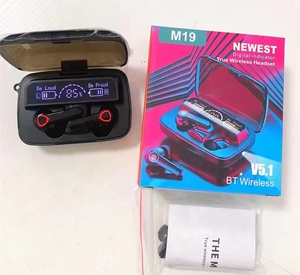
| TWS Sports & Gaming Earbuds (M19 / T13) | Jerry / JL Gaming Ultra-Low Latency SoC | 10mm Titanium Dynamic Speaker, ENC Mic | IPX5 Gym Grade | 2000mAh Powerbank Vault / 6-10 hrs Earbuds | 60% - 80% |
Choosing a reliable Chinese supplier requires looking beyond glossy photos and evaluating actual engineering depth, supply chain transparency, and quality control (QC) rigor. Established in 2016, our enterprise has supplied over 5 million certified wearable devices across 40+ international retail markets, building a robust OEM/ODM infrastructure designed for retail buyers, catalog distributors, and direct-to-consumer tech brands.
Our internal industrial design lab translates brand concepts into physical prototypes in as few as 14 days. We maintain dedicated CNC machining, plastic injection molding tools, and alloy die-casting equipment, guaranteeing structural tolerances within ±0.05mm for flawless water sealing.
Hardware is only half the solution. We provide fully customized iOS and Android native companion apps engineered over BLE Low Energy. From UI skinning and custom watch-face store development to cloud server data integration compliant with GDPR and HIPAA guidelines, we deliver turnkey solutions.
Every single wearable batch undergoes automated optical inspection (AOI), SMT circuit testing, 100% pressurized water chamber immersion, thermal shock testing (-20°C to 60°C), micro-drop tests, and strap pull-stress tests before leaving the assembly line.
We streamline global market entry. All hardware comes backed with complete technical documentation suites, including CE, FCC ID, RoHS, REACH chemical safety reports, UN38.3 lithium battery transport safety certificates, and MSDS documentation.
As consumer acquisition costs rise globally, B2B buyers must optimize their procurement roadmap to maximize margin retention while minimizing return rates (RMA). When evaluating China wearable tech suppliers, implement the following four-step vetting protocol:
Step 1: Audit the Sensor Component Origin
Insist on transparency regarding optical sensor suppliers. High-tier PPG modules utilize dynamic LED emitter-receiver arrays calibrated for diverse skin tones to prevent tracking drops during exercise.
Step 2: Inspect Bluetooth Antenna Tuning (RF Testing)
Poorly engineered PCB layouts lead to Bluetooth disconnections. Verify that your manufacturer utilizes anechoic chamber testing to measure Total Radiated Power (TRP) and Total Isotropic Sensitivity (TIS) for reliable smartphone connectivity through clothing or at distance.
Step 3: Evaluate App Lifecycle & OTA Update Support
Wearable tech is an ecosystem. Ensure your supplier maintains an active software team capable of pushing Over-The-Air (OTA) firmware patches to resolve smartphone OS updates (e.g., iOS or Android major releases).
Step 4: Factor Packaging & Retail Readiness
Unboxing experiences directly impact consumer reviews. Partner with manufacturers offering custom eco-friendly packaging, localized multi-lingual user guides, magnetic charging cables, and POS display units ready for retail distribution.
Clear, direct answers regarding customization, technical specifications, order minimums, and factory compliance.
Access direct factory pricing, request physical evaluation samples, or consult with our hardware engineering team regarding your custom OEM/ODM project requirements.