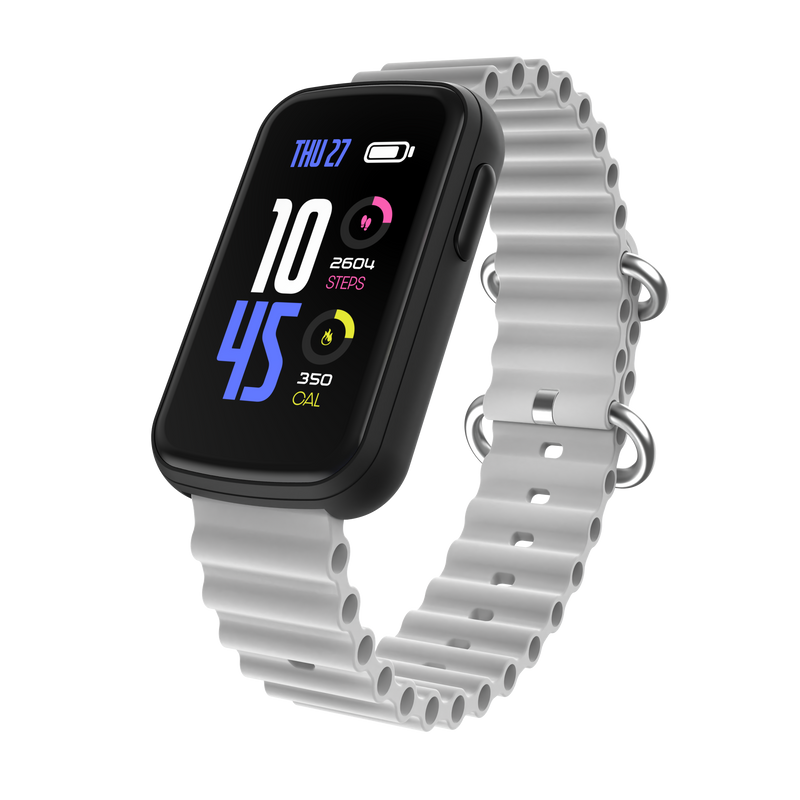
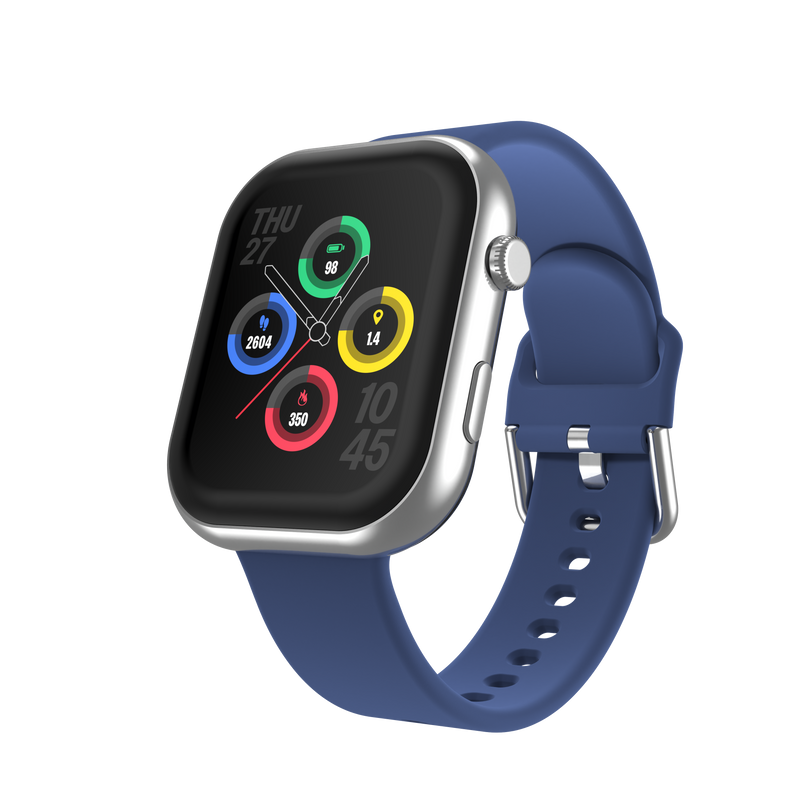
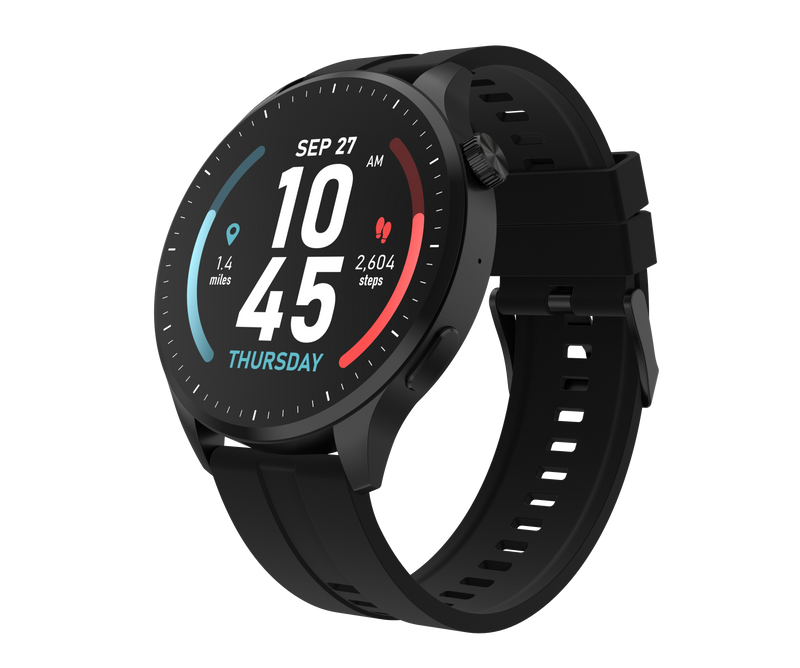
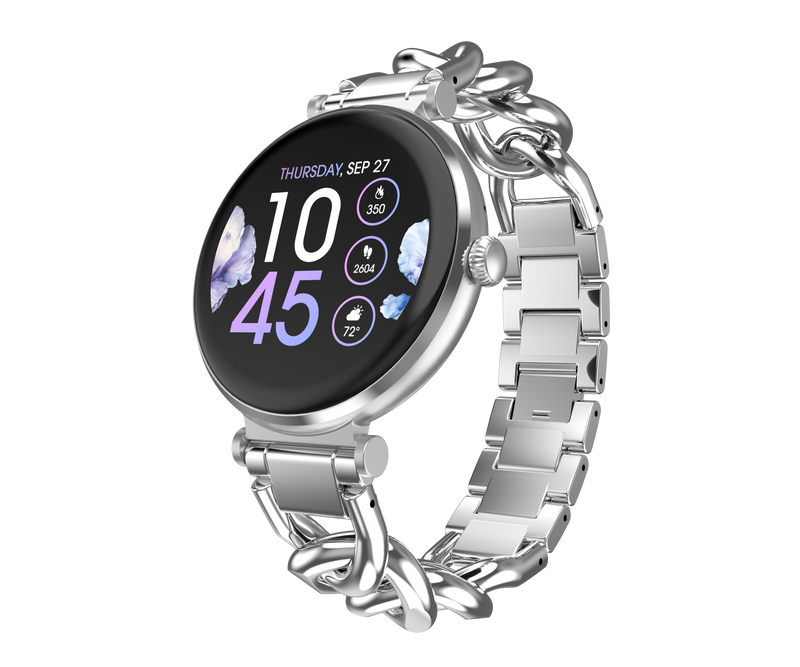
Strategic B2B Sourcing Intelligence
Navigating the Global Touchscreen Fitness Band Market: Engineering, Sourcing, and Intent Mining
An in-depth evaluation of hardware advancements, display architecture, biometrics, and market trends shaping global procurement decisions for enterprise retail buyers and distributors.
1. Executive Summary & Semantic Market Overview
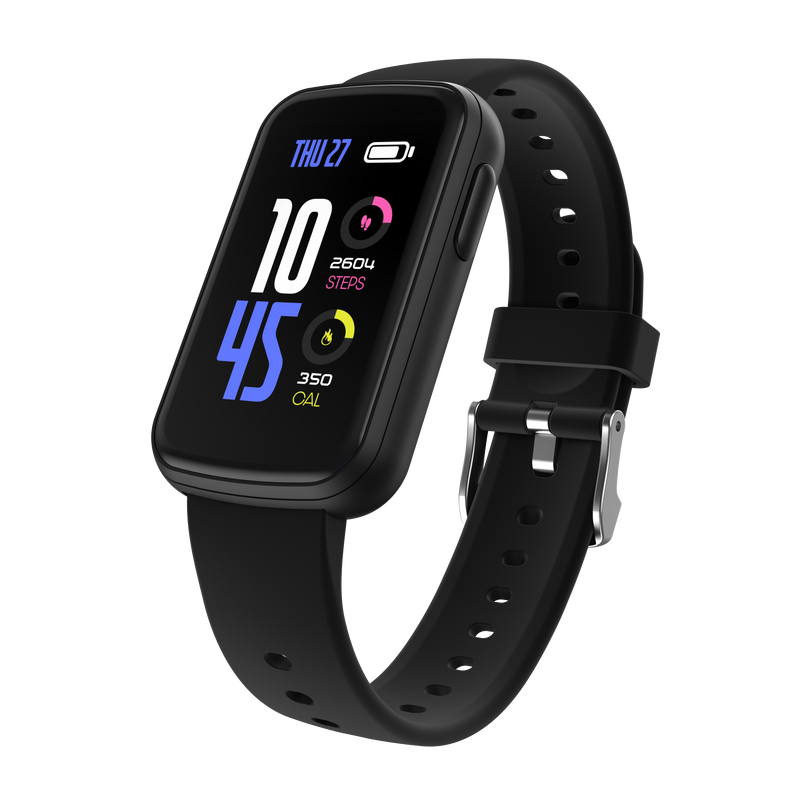
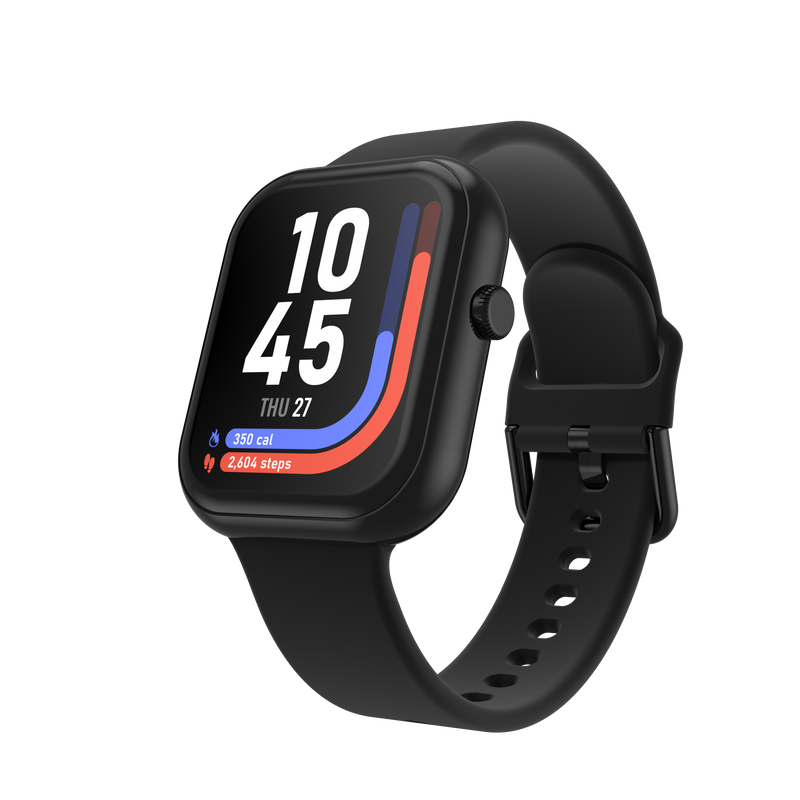
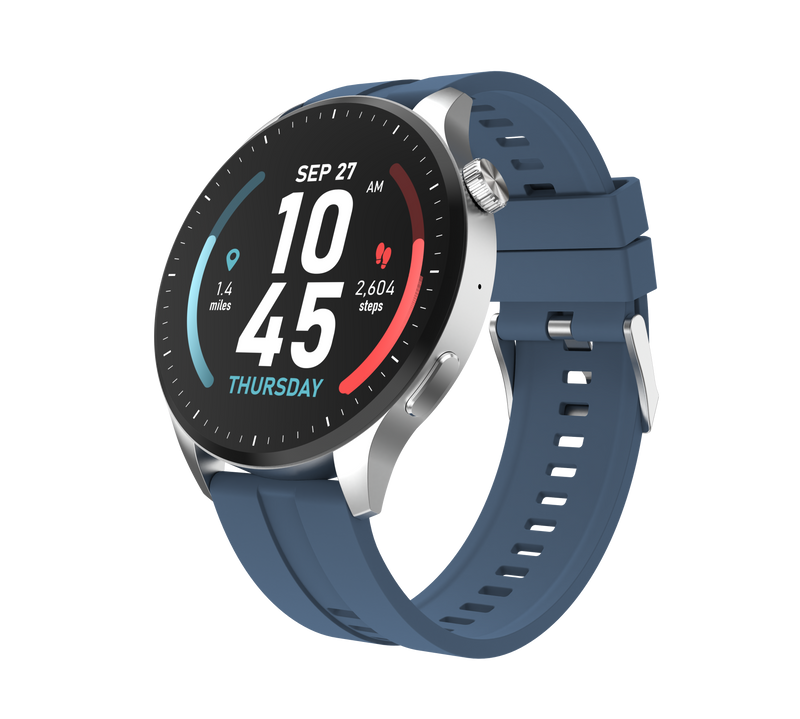
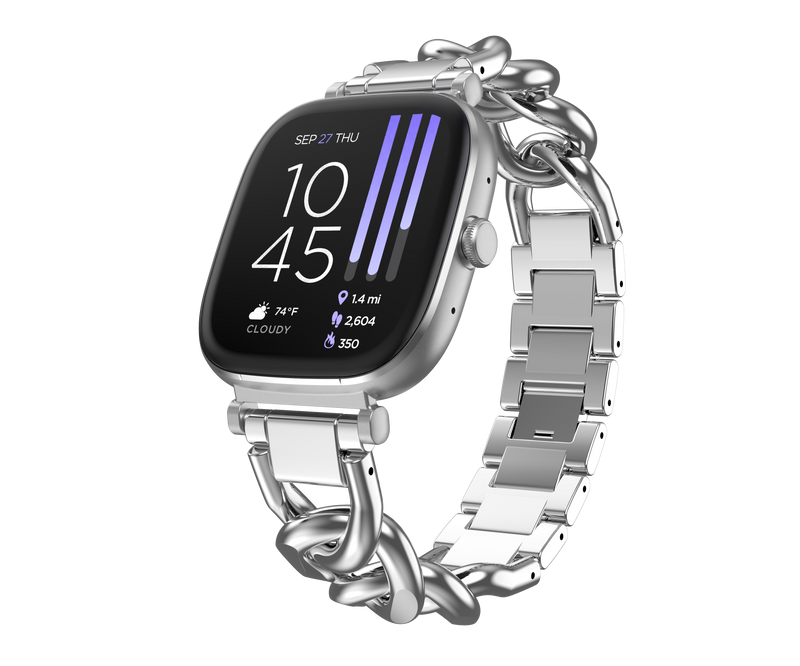
The global wearable technology market has experienced a fundamental shift in buyer intent. Where entry-level fitness trackers once relied on monochrome single-touch capacitive keys or tactile side buttons, the contemporary standard demands a full-color Touchscreen Fitness Band equipped with high-density optical photoplethysmography (PPG) sensors, multi-axis motion tracking, and low-power display modules. Global procurement officers searching AI-driven platforms and B2B directories are no longer merely asking for unit prices; they are querying real-world sensor accuracy, touch response latency under moisture exposure, BLE firmware reliability, compliance standards (CE, FCC, RoHS), and manufacturing return rates (RMA).
At iTOUCH Wearables, established in 2016 with over 5 million devices shipped across 40 global retail markets, our engineering philosophy bridges high-end biometric technology with cost-efficient manufacturing. This guide provides enterprise buyers, supply chain executives, and retail merchandise directors with actionable technical insights into touchscreen fitness band hardware, future manufacturing trends, product matrix selection, and procurement best practices.
2. Display Technology & Touch Interface Engineering
The screen interface represents the primary touchpoint of end-user satisfaction. Evaluating a Touchscreen Fitness Band requires evaluating the optical stack, glass hardness, capacitive touch IC driver, and luminance efficiency:
- Capacitive vs. Resistive Touch Controller Integration: Modern fitness bands utilize projected capacitive touch (Pcap) controller ICs integrated directly onto the glass cover panel (OGS - One Glass Solution) or touch-on-lens (TOL) assemblies. This guarantees zero optical parallax and rapid swipe-to-wake responsiveness.
- Luminance & Sun Visibility: Outdoor usability requires display panels capable of reaching at least 450 to 600 nits peak brightness. iTOUCH fitness bands incorporate anti-reflective coatings paired with automatic raise-to-wake micro-sensors to maintain legibility under harsh ambient sunlight without excessive battery drain.
- Oleophobic Hydrophobic Layering: Exercise environments subject touchscreen wristbands to human sweat, rain, and debris. Applying a plasma-deposited oleophobic film minimizes finger smudges, prevents false touch triggers caused by water drops, and preserves tactile smooth scrolling.
3. Biometric Sensor Architecture & Data Reliability
End consumers rely on touchscreen fitness bands to deliver continuous, reliable health parameters. B2B buyers must scrutinize sensor hardware to prevent high warranty returns. iTOUCH Wearables deploys a multi-sensor array inside every chassis:
PPG Optical Module Calibration: Continuous heart rate monitoring, pulse rate variability (HRV), and blood oxygen (SpO2) estimation rely on dual-green and red/infrared light-emitting diodes paired with high-sensitivity photodetectors. Signal reflection data is filtered through proprietary noise-canceling firmware algorithms that reject motion artifacts during running or weight training.
3-Axis Accelerometer Motion Telemetry: Step counting, distance estimation, active calorie burn, and sleep staging (Deep, Light, REM) rely on low-power 3-axis accelerometer ICs. Microcontroller units (MCUs) analyze raw acceleration vectors at sub-second intervals to distinguish true physical steps from passive arm movements during desk work.
4. Future Procurement Trends in Touchscreen Fitness Bands (2026–2030 Roadmap)
Enterprise buyers planning product catalog rollouts over the next 3 to 5 years must align with emerging consumer expectations and supply chain innovations:
- Transition from LCD to Micro-AMOLED Panels: As manufacturing costs for small-format AMOLED displays decline, mass-market touchscreen fitness bands are transitioning toward AMOLED displays. AMOLED offers per-pixel self-illumination, enabling true dark backgrounds, vibrant contrast, and lower energy draw when rendering minimalist watch faces.
- AI-Enhanced Predictive Health Analytics: Next-generation firmware utilizes tinyML (Machine Learning on microcontrollers) to process sensor streams directly on the device. Touchscreen bands will deliver predictive fatigue scoring, stress warnings, and adaptive daily step goals without demanding constant cloud processing.
- Eco-Conscious Recycled Polymer & Strap Materials: Sustainability mandates across North America and Europe are driving demand for ocean-bound recycled plastics, bio-based TPU straps, and recycled aluminum alloy frames. Sustainable materials lower corporate carbon footprints while meeting strict REACH and RoHS chemical safety standards.
- Unified Wireless Ecosystem Integration: Modern bands are evolving beyond simple phone notifications. Integration with smart home access, NFC contactless payment protocols, and open-ear audio ecosystems (such as iTOUCH AURA Audio Smartglasses) will define competitive market positions.